
Old money winter outfits prioritize tactile textile density, unbranded heritage tailoring, and understated tonal palettes over logo display. The core wardrobe centers on double-faced camel cashmere wrap coats, 480 GSM melton wool overcoats, 4-ply Mongolian cashmere turtlenecks, and high-rise pleated flannel trousers. Footwear centers on full-grain calfskin riding boots, Goodyear-welted penny loafers, or chukka boots in bitter chocolate and cognac. Rather than chasing seasonal fashion cycles, these ensembles rely on structural proportions: pairing voluminous outerwear with razor-sharp base tailoring to insulate against cold while projecting quiet authority.
Key Investment Takeaways
Fabric Density Over Insulation Bulk
True cold-weather luxury avoids synthetic puffers. Natural fibers like 450 to 520 GSM melton wool, 4-ply Mongolian cashmere, and brushed alpaca trap body heat through fiber crimp without adding artificial puffiness.
Tonal Harmonization and Neutral Columns
Stealth wealth aesthetics rely on tonal layering within tight color families. Pairing bitter chocolate, vicuña camel, oat cream, and charcoal heather creates a calm visual column that allows textile textures to lead.
Architectural Footwear Foundations
Winter silhouettes succeed or fail at the hemline. Anchor wide-leg flannel trousers with pointed leather boots or lug-sole penny loafers, and pair heritage knee-high riding boots with tailored wool breeches.
Winter dressing exposes sartorial shortcuts faster than any other season. When temperatures drop below freezing, synthetic blends, flimsy linings, and fast-fashion novelty coats collapse under scrutiny. They pill at friction points, hang lifelessly without structural drape, and demand aggressive layering that adds clumsy bulk.
By contrast, old money winter outfits represent the pinnacle of functional textile engineering. Developed across generations in Scottish estates, Swiss ski chalets, and Parisian salons, this aesthetic relies on an uncompromising philosophy: natural fiber integrity, generous drape, and architectural restraint. To build a cold-weather wardrobe that commands respect, one must understand how weight, weave, and silhouette interact.
The Textile Architecture of Stealth Wealth Winter Wear
Before styling an outfit, an editor evaluates the raw materials. The foundational mistake of modern consumers is confusing garment thickness with thermal efficiency. Cheap polyester-blend overcoats are often stiff and suffocating, yet they fail to block wind. Authentic heritage dressing prioritizes specific fiber densities certified by independent global standards such as the Responsible Wool Standard certifications.
Three primary textiles form the backbone of cold-weather luxury:
- Double-Faced Wool and Cashmere (450 to 550 GSM): Crafted by weaving two distinct layers of fabric together with invisible binding threads, unlined double-faced garments offer unmatched thermal insulation while preserving a fluid, liquid drape that moves effortlessly with the body.
- Worsted Flannel and Melton Wool (400 to 500 GSM): Tightly milled and sheared, melton wool provides natural wind and water resistance. It holds sharp architectural lines, preventing coats and trousers from buckling in winter moisture.
- 4-Ply to 6-Ply Mongolian Cashmere: Sourced from the underfleece of Capra hircus goats, multi-ply knitwear provides lightweight warmth without the micro-pilling common in commercial 2-ply high-street offerings.
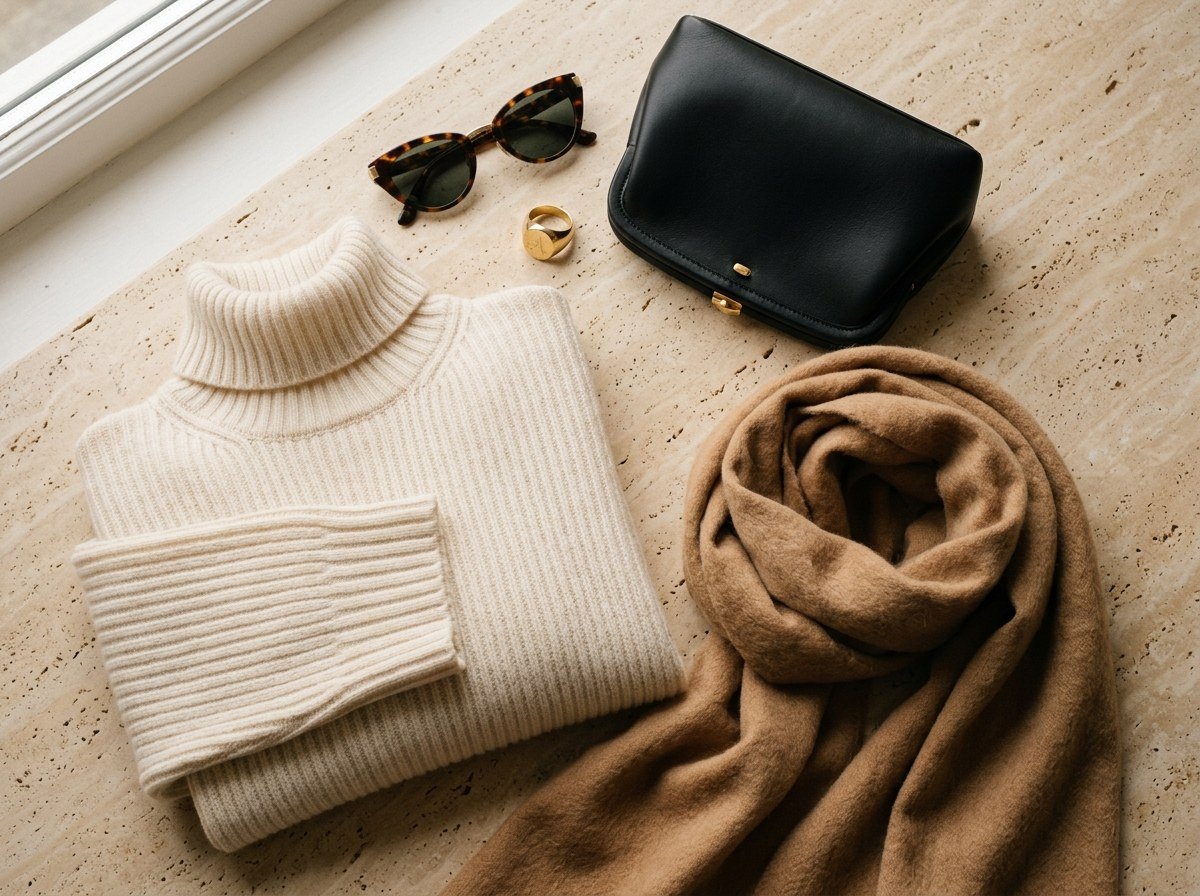
The 12 Definitive Old Money Winter Outfit Formulas
These twelve formulas demonstrate how to assemble timeless, cold-weather outfits that balance functional warmth with sartorial refinement.
Formula 01: The Double-Faced Camel Wrap Coat and Ribbed Cream Turtleneck
The camel coat remains the undisputed cornerstone of winter elegance. The key lies in selecting an unlined wrap silhouette cut from pure camel hair or double-faced wool with a generous waterfall collar. Avoid stiff synthetic belts with plastic eyelets; rely instead on a self-tie sash knotted loosely at the natural waist.
Beneath the coat, layer a thick 4-ply cream cashmere turtleneck with wide ribbed cuffs. Pair this with high-waisted charcoal grey wool flannel trousers featuring forward-facing pleats. The contrast between rich vicuña camel, soft ivory knitwear, and deep heather charcoal forms a timeless tri-tonal balance. Anchor the ensemble with pointed black calfskin ankle boots and an unbranded leather top-handle bag. For readers curating a comprehensive cold-weather wardrobe, explore our foundational guide on The Winter Capsule Wardrobe for seasonal modular edits.
- The Silhouette: Relaxed wrap outerwear draped over tailored architectural trousers.
- Key Investment: 480 GSM double-faced camel hair coat falling four inches below the knee.
- Editor’s Tip: Turn back the coat cuffs slightly to reveal the ribbed cream knitwear underneath, creating intentional textural layering.
Formula 02: The Melton Wool Double-Breasted Overcoat and Flannel Trousers
Inspired by Savile Row military greatcoats, the dark chocolate double-breasted overcoat brings commanding presence to winter city walking. Look for broad peak lapels that draw the eye upward and broaden the shoulder line, paired with genuine horn buttons and a deep rear vent for unhindered stride.
Layer an oatmeal fine-gauge merino wool crewneck over a crisp white cotton poplin shirt, allowing just a sliver of collar to emerge. Complement the deep brown coat with off-white or ecru tailored flannel trousers cut with a gentle break over dark brown suede penny loafers. This pairing avoids the corporate predictability of black suiting while maintaining impeccable formality. If you are refining your workwear rotation, consult our breakdown of How to Style Wide-Leg Trousers for precise footwear and proportion rules.

Formula 03: The Winter White Monochromatic Column in Brushed Alpaca
Wearing head-to-toe white in deep winter is the ultimate sartorial power move. It signals access to private transit and an indifference to urban grit. The secret to preventing a monochromatic white look from appearing clinical is varying the fiber textures dramatically.
Begin with an ivory brushed alpaca or boucle belted overcoat. Alpaca offers a subtle natural luster and cloud-like loft that catches winter light beautifully. Beneath, wear an ecru fine-gauge cashmere turtleneck tucked into high-rise winter white wool cady trousers. Break the monochrome field with warm cognac leather: a structured shoulder bag and pointed-toe leather boots in burnished chestnut. For further masterclasses in tonal harmony, review our comprehensive analysis on Quiet Luxury Outfits.

Formula 04: The British Heritage Wool Cape, Breeches, and Riding Boots
Few garments evoke aristocratic sporting heritage like an English wool cape coat. Cut in deep forest green, loden, or peat brown, a structured cape offers superior thermal coverage while granting complete freedom of movement. Look for throat latch closures and clean horn button fronting.
Pair the cape with oatmeal or fawn tailored wool breeches trousers cut slim through the calf, designed to tuck seamlessly into tall, structured riding boots. Footwear must be crafted from full-grain box calfskin with a stiff shaft that holds its shape without sagging. Complete the look with a tan bridle leather saddle bag, reflecting traditional equestrian leatherwork cataloged by the The Costume Institute at The Met.

Formula 05: The Heavyweight Tweed Hacking Jacket and Fine-Gauge Turtleneck
Harris Tweed and Scottish estate tweeds are naturally storm-proof due to high oil retention in the yarn. A tailored single-breasted hacking jacket featuring subtle olive, rust, and barleycorn weave adds instant depth to winter tailoring. Ensure the jacket features slanted flap pockets and a ticket pocket, true hallmarks of countryside riding attire.
Layer a black or dark espresso fine-gauge silk-cashmere turtleneck underneath to ground the multi-tonal yarn of the tweed. Pair with charcoal grey flannel trousers cut with a clean, sharp crease down each leg. For footwear, select Goodyear-welted oxfords or slim Chelsea boots in polished museum calfskin.
Formula 06: The Shearling-Collared Car Coat and Straight Raw Denim
When the weekend calls for relaxed dressing, swap formal overcoats for a heavy navy wool car coat lined with genuine Spanish shearling at the collar. Shearling provides unmatched neck insulation, rendering bulky synthetic scarves obsolete.
Pair the coat with heavyweight 14 oz unwashed Japanese selvedge denim in deep indigo. The rigid weave of raw denim maintains a tailored line, avoiding the sloppy look of distressed stretch jeans. Underneath, wear a chunky waffle-knit grey cashmere crewneck. Finish with pebble-grain leather derby boots with Dainite rubber soles to navigate icy pavements safely.
Formula 07: The Belted Cashmere Robe Coat Over a Silk-Wool Base Layer
The robe coat embodies indoor-outdoor luxury: an effortless transition from country home to urban dining. Constructed without interior canvas or shoulder pads, the coat relies entirely on the drape of 500 GSM pure cashmere to create silhouette.
Keep the base layer exceptionally sleek. A fine-gauge 70/30 silk-wool blend long-sleeve knit in midnight black paired with tailored black wool crepe trousers provides a slim, unbroken under-column. Fasten the robe coat with a single knot, allowing the lapels to fall open naturally. Add minimalist gold hoop earrings and a structured leather clutch.
Formula 08: The Houndstooth Blazer, Pleated Trousers, and Suede Chelsea Boots
Micro-houndstooth wool blazers strike the ideal balance between graphic interest and understated luxury. A blazer cut from 380 GSM English wool holds its structure throughout long boardroom days without creasing. For specific architectural proportions and shoulder-drop rules, consult our guide on How to Style an Oversized Blazer.
Under the blazer, layer a fine-knit merino wool mock-neck in heather taupe. Pair with chocolate brown wool flannel trousers cut with deep double pleats that pool slightly over rich snuff suede Chelsea boots. The contrast between dry wool houndstooth and tactile suede provides rich visual interest.
- The Silhouette: Sharp shoulders and structured chest balanced by relaxed double-pleated flannel.
- Key Investment: Tailored English micro-houndstooth blazer in 380 GSM worsted wool.
- Editor’s Tip: Treat snuff brown suede with water-repellent nano-spray before first wear to preserve the nap against slush and rain.
Formula 09: The Cable-Knit Fisherman Sweater and Chocolate Corduroy Trousers
Traditional Aran and cable-knit sweaters were originally knitted from untreated wool to repel North Atlantic spray. An authentic luxury iteration uses 6-ply undyed cream merino or cashmere yarn with pronounced honeycomb and cable stitching across the chest.
Balance the substantial volume of the knit with 8-wale heavy cotton corduroy trousers in deep bitter chocolate. The pronounced vertical ribs of corduroy lengthen the leg line while offering tactile warmth. Finish with dark brown pebble-grain penny loafers worn with ribbed wool-silk socks.
Formula 10: The Storm-System Cashmere Parka Over Tailored Knitwear
Pioneered by Italian luxury mills like Loro Piana, treated wool and cashmere outerwear incorporates micro-porous breathable membranes on the reverse side. This allows the wearer to endure freezing sleet while wrapped in pure natural fleece. If you appreciate this level of textile engineering, read our dossier on Minimalist Clothing Brands Defining Modern Luxury.
Style a mid-thigh storm-system cashmere parka in slate navy over a charcoal melange cashmere turtleneck and tailored medium-grey flannel trousers. This formula represents modern executive weekend travel: completely weatherproof yet entirely free of synthetic rustle or cheap athletic branding.
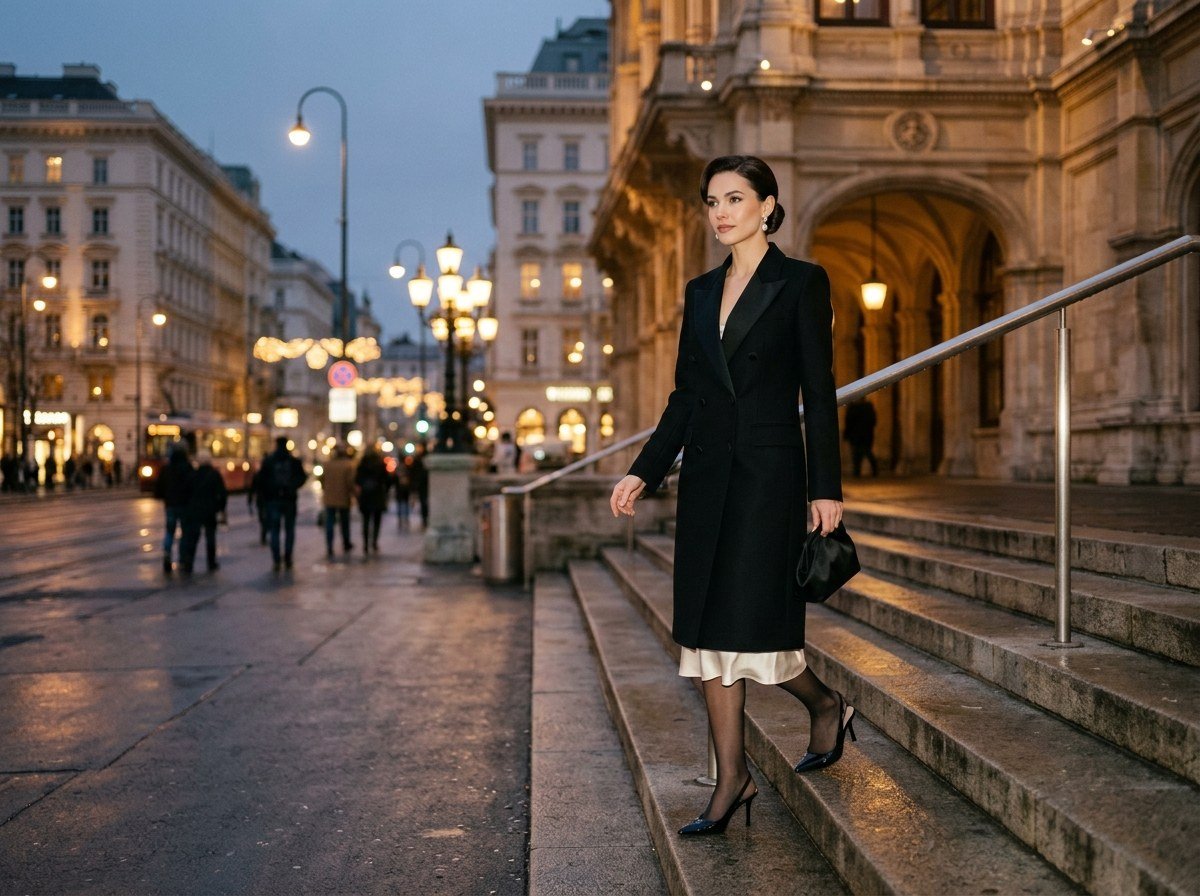
Formula 11: The Vienna Evening Tuxedo Coat, Silk Satin Slip, and Patent Pumps
Winter formal dressing demands outerwear that complements rather than conceals evening wear. A tailored black tuxedo coat cut from heavyweight Barathea wool features satin or grosgrain silk peak lapels that mirror classic black-tie dinner jackets.
Drape the coat over an ivory or champagne heavy silk satin bias-cut slip dress. The contrast between structured matte Barathea wool and fluid liquid silk creates dramatic visual poetry. Complete with sheer 15-denier black stockings, pointed black patent leather slingback pumps, and delicate pearl drop earrings.
Formula 12: The Black Watch Tartan Wool Scarf, Tailored Peacoat, and Leather Gloves
Black Watch tartan (deep forest green, navy, and black) carries centuries of Scottish military history and remains an understated heritage staple. Choose an oversized 100% woven wool scarf with fringed edges, draping it loosely across one shoulder rather than knotting it tightly.
Pair the scarf with an authentic 32 oz melton wool naval peacoat in deep midnight navy. The broad ulster collar can be turned up against biting winds. Complete with cashmere-lined lambskin leather gloves and dark navy tailored wool trousers over black Chelsea boots.
The Old Money Winter Layering Matrix
Use this technical evaluation table to select the correct fabric weights, garment silhouettes, and footwear pairings for every cold-weather occasion.
| Formula # | Outerwear & GSM | Primary Knitwear | Trouser Weave | Footwear Anchor | Setting |
|---|---|---|---|---|---|
| 01. Camel Wrap | Double-Faced Camel (480 GSM) | 4-Ply Ribbed Cashmere Turtleneck | Worsted Wool Flannel | Pointed Calfskin Boots | Gallery Opening / Day City |
| 02. Double-Breasted | Melton Wool (520 GSM) | Merino Crewneck + Poplin Shirt | Pleated Flannel Trousers | Suede Penny Loafers | Executive Business / Travel |
| 03. Tonal Cream | Brushed Alpaca Wool (420 GSM) | Fine-Gauge Cashmere Knit | Winter White Wool Cady | Cognac Leather Boots | Weekend Salon / Brunch |
| 04. British Cape | Loden Wool Cape (460 GSM) | Ecru Ribbed Turtleneck | Breeches Wool Twill | Box-Calf Riding Boots | Country Estate / Walking |
| 05. Tweed Hacking | Harris Tweed Jacket (380 GSM) | Silk-Cashmere Mock-Neck | Charcoal Wool Flannel | Goodyear Welted Oxfords | Private Club / Boardroom |
| 06. Shearling Car | Melton Wool + Shearling Collar | Waffle-Knit Cashmere | 14 oz Japanese Selvedge | Pebble-Grain Derby Boots | Casual Weekend / Transit |
| 07. Robe Coat | Pure Mongolian Cashmere (500 GSM) | Silk-Wool Seamless Base | Fluid Wool Crepe | Pointed Leather Mules | Private Dining / Intimate |
| 08. Houndstooth | Worsted Wool Blazer (380 GSM) | Merino Mock-Neck | Double-Pleated Flannel | Snuff Suede Chelseas | Creative Corporate / Studio |
| 09. Cable Fisherman | Unlined Wool Chore Coat | 6-Ply Undyed Cable Knit | 8-Wale Heavy Corduroy | Penny Loafers + Wool Sock | Winter Retreat / Cabin |
| 10. Storm System | Membrane-Lined Cashmere Parka | Charcoal Cashmere Turtleneck | Mid-Grey Tailored Flannel | Waterproof Suede Chukka | Alpine Travel / Heavy Sleet |
| 11. Tuxedo Evening | Barathea Wool Tuxedo Coat | Heavy Silk Satin Slip Dress | N/A (Full Length Dress) | Patent Leather Slingbacks | Opera / Black-Tie Winter |
| 12. Black Watch | 32 oz Melton Naval Peacoat | Tartan Scarf + Navy Crewneck | Navy Worsted Wool | Black Box-Calf Chelseas | Coastal Winter / Harbor |
Common Mistakes That Ruin Old Money Winter Outfits
Executing quiet luxury winter style requires avoiding subtle pitfalls that instantly degrade an ensemble:
- Over-Relying on Black: Wearing head-to-toe solid black in winter can look severe and flat under natural grey daylight. Old money aesthetics favor rich, nuanced neutrals: espresso brown, forest loden, charcoal heather, vicuña camel, and ivory.
- Neglecting Hemline Proportion over Boots: Allowing wide-leg flannel trousers to drag through salt and slush ruins delicate wool hems. Ensure trousers are tailored with a subtle half-break that clears damp pavement, or tuck them cleanly into structured riding boots.
- Choosing Faux Fur or Glued Synthetic Trim: Cheap faux fur collars trap static electricity and clump unpleasantly in rain. Choose genuine Spanish shearling collars, brushed alpaca wool, or clean unadorned melton collars instead.
- Visible Brand Hardware: Giant gilded logos, oversized buckle emblems, and branded luggage tags signal novelty consumerism. True heritage pieces rely on discreet debossed maker marks and anonymous, unlacquered solid brass hardware certified through the Leather Working Group standards.
Frequently Asked Questions About Old Money Winter Outfits
How can I look old money in winter without freezing?
The solution lies in dense natural fibers rather than synthetic bulk. Wear a 70/30 silk-wool seamless base layer beneath a 4-ply Mongolian cashmere turtleneck, topped with an unlined 500 GSM double-faced wool overcoat. Natural wool crimp traps pockets of warm air against the body, offering superior insulation without requiring puffy jackets.
What shoes fit the old money winter aesthetic?
Prioritize classic footwear silhouettes crafted from full-grain calfskin or reverse suede. For casual settings, choose Goodyear-welted penny loafers with discreet Dainite rubber soles or chukka boots in bitter chocolate suede. For foul weather, opt for tall equestrian riding boots with a rigid shaft and for evening events, select pointed leather ankle boots or patent leather slingbacks.
Can I wear sneakers with an old money winter outfit?
Traditional old money style generally avoids athletic sneakers in formal or tailored winter settings. However, for casual weekend travel, clean unbranded tennis sneakers in off-white calfskin or minimal suede trainers in warm beige can complement tailored corduroy trousers and a cable-knit sweater.
What colors are essential for quiet luxury winter dressing?
The core palette revolves around earthy, organic neutrals: vicuña camel, oatmeal cream, bitter chocolate, slate charcoal, deep loden green, and midnight navy. These shades harmonize effortlessly, letting you layer garments across textures without creating jarring color clashes.