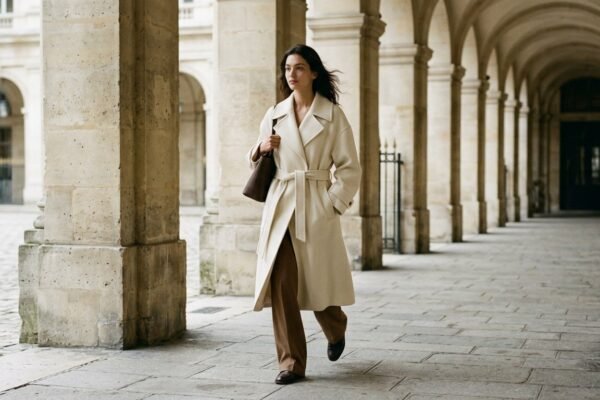
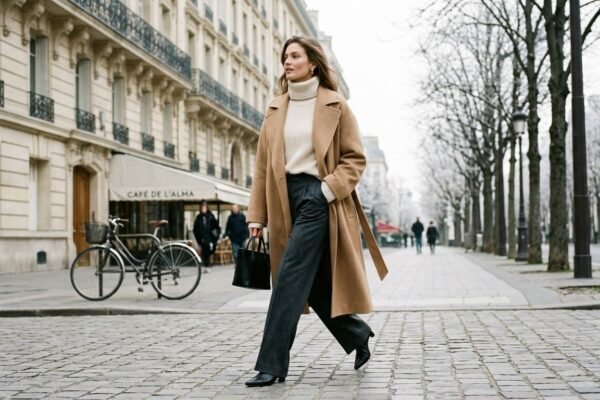
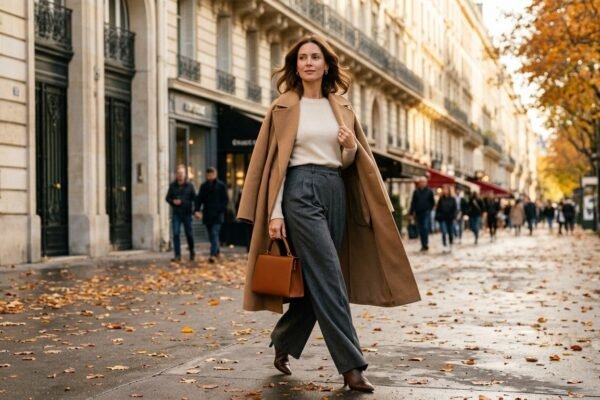
Turn a good Italian cashmere sweater inside out and the label is the least interesting thing you will find. Look at the cuffs instead. On the best pieces they are linked stitch by stitch rather than overlocked, so the rib stretches and recovers without that tight ridge cheap knitwear leaves on your wrist.
That small seam explains why Italy owns quiet luxury in a way no other country does. The Row and Khaite are American, Toteme is Swedish, and all three depend heavily on Italian mills and workshops. Go upstream and you reach the valleys of Biella, the tanneries of Tuscany and the knitting towns of Umbria and Lombardy. The houses below either own that supply chain or sit next door to it.
The Italian quiet luxury brands to know are Loro Piana and Brunello Cucinelli for cashmere, Max Mara for camel coats, Bottega Veneta and Valextra for logo-free leather, and Zegna for wool tailoring woven in its own Biella mill. For better value, look at Herno outerwear, Aspesi shirts and field jackets, Massimo Alba washed cashmere, Fedeli knitwear and Tod’s Gommino loafers. They have three things in common: noble fibres sourced or spun in Italy, almost no visible branding, and silhouettes that stay unchanged for decades. Buy each house’s signature piece rather than its seasonal novelty, and check fibre micron and fabric weight before the price tag.
Follow the mill, not the logo
Houses that spin, weave or tan in-house, such as Loro Piana and Zegna, control quality at the fibre stage. That is where most of the price difference is earned.
Buy the signature, skip the season
The 101801 coat, the Iside bag and the Gommino loafer have survived decades of trend cycles. Seasonal capsules from the same houses lose value quickly.
The second tier is where value lives
Aspesi, Herno, Massimo Alba and Fedeli often draw on the same Italian yarns and fabrics as the big names, at a fraction of the margin.
How We Chose These Italian Houses
Every brand here passed four tests. The label must be Italian by origin and still make its core product in Italy. Visible branding must be absent or close to it on the hero pieces. The fabric story has to hold up when you look past the marketing: real mills, real fibre grades, real construction. And the signature product must have been in production long enough to prove it ages well.
That rules out some famous names. Gucci and Prada are Italian and well made, but their identities depend on recognisable motifs. Plenty of capable houses failed the fourth test because their best pieces change every season. The Italian National Chamber of Fashion lists hundreds of member houses. These eleven are the ones I would spend my own money on.
The Italian Quiet Luxury Brand Matrix
| Brand | Aesthetic Core | Price Tier | Hero Product | Best For |
|---|---|---|---|---|
| Loro Piana | Fibre-first, Piedmont restraint | $$$$$ | Baby cashmere knit, Summer Walk loafer | The rarest raw materials |
| Brunello Cucinelli | Umbrian warmth, layered neutrals | $$$$$ | Cashmere cardigan | Soft tailoring and knits |
| Max Mara | Architectural camel outerwear | $$$$ | 101801 wrap coat | A coat for decades |
| Bottega Veneta | Woven leather, no logos | $$$$$ | Intrecciato leather goods | Statement-free leather |
| Valextra | Milanese geometry | $$$$ | Iside top-handle bag | Structured work bags |
| Zegna | Mill-born tailoring | $$$$ | Oasi Cashmere overshirt | Wool suiting and overshirts |
| Herno | Lakeside technical outerwear | $$$ | Lightweight down jacket | Weather without bulk |
| Aspesi | Milanese functional ease | $$ | Nylon field jacket, poplin shirt | Everyday utility |
| Massimo Alba | Lived-in, washed colour | $$$ | Garment-dyed cashmere | Relaxed weekend luxury |
| Fedeli | Classic Lombard knitwear | $$$ | Cashmere crewneck | Knitwear value |
| Tod’s | Marche leather craft | $$ | Gommino driving loafer | An entry point |
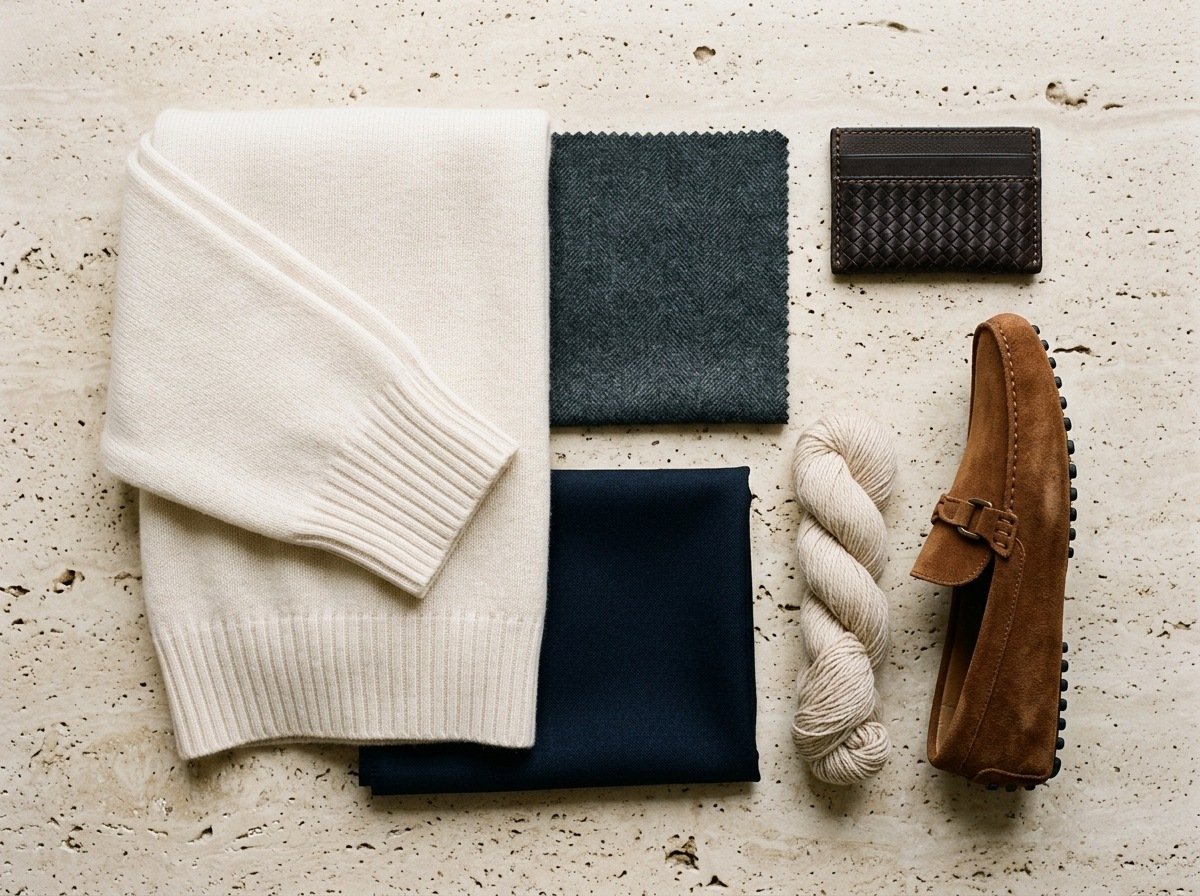
The 11 Italian Quiet Luxury Brands to Know
1. Loro Piana
Heritage & Philosophy: The company was founded in Quarona, Piedmont, in 1924, from a family that had traded wool for generations, and LVMH took a majority stake in 2013. Loro Piana still thinks like a raw-materials merchant. It buys vicuña fleece in Peru, combs baby cashmere from the first coat of young goats, and builds collections around fibre first.
Signature Silhouette: Straight, slightly relaxed shapes in sand, taupe and navy. The Summer Walk loafer, a soft suede slipper on a thin rubber sole, is the most copied shoe in the quiet luxury canon.
Quality & Fabric Integrity: Buy the knitwear and the Storm System outerwear, which pairs fine cloth with a water-repellent membrane. Skip the newer pieces with embroidered logos. They cost the same and defeat the point of the label.
Price-to-Value: Expensive by any measure, with sweaters well into four figures. You are paying for fibre you cannot find elsewhere, and for most buyers one knit is the right dose.
2. Brunello Cucinelli
Heritage & Philosophy: Brunello Cucinelli started in 1978 by dyeing cashmere in colours nobody else offered. He later restored the medieval hamlet of Solomeo in Umbria as the company’s base and talks openly about “humanistic capitalism”, which in practice means above-average artisan wages and long-term contracts with local workshops.
Signature Silhouette: Soft layering in oatmeal, grey and cream: a cardigan over a fine poplin shirt, with relaxed wool trousers. On womenswear, the monili (tiny beaded chain trims) add one quiet point of light.
Quality & Fabric Integrity: The cashmere cardigans and flannel trousers are excellent, with flannel cut from cloth in the 300 to 370 gsm range (11 to 13 oz) that holds a crease and drapes over a shoe. Skip the basic cotton T-shirts. A very good jersey tee is still a jersey tee, at five times the price.
Price-to-Value: Top tier. Shop the knitwear and trousers at full price, and wait for the sales for everything else.
3. Max Mara
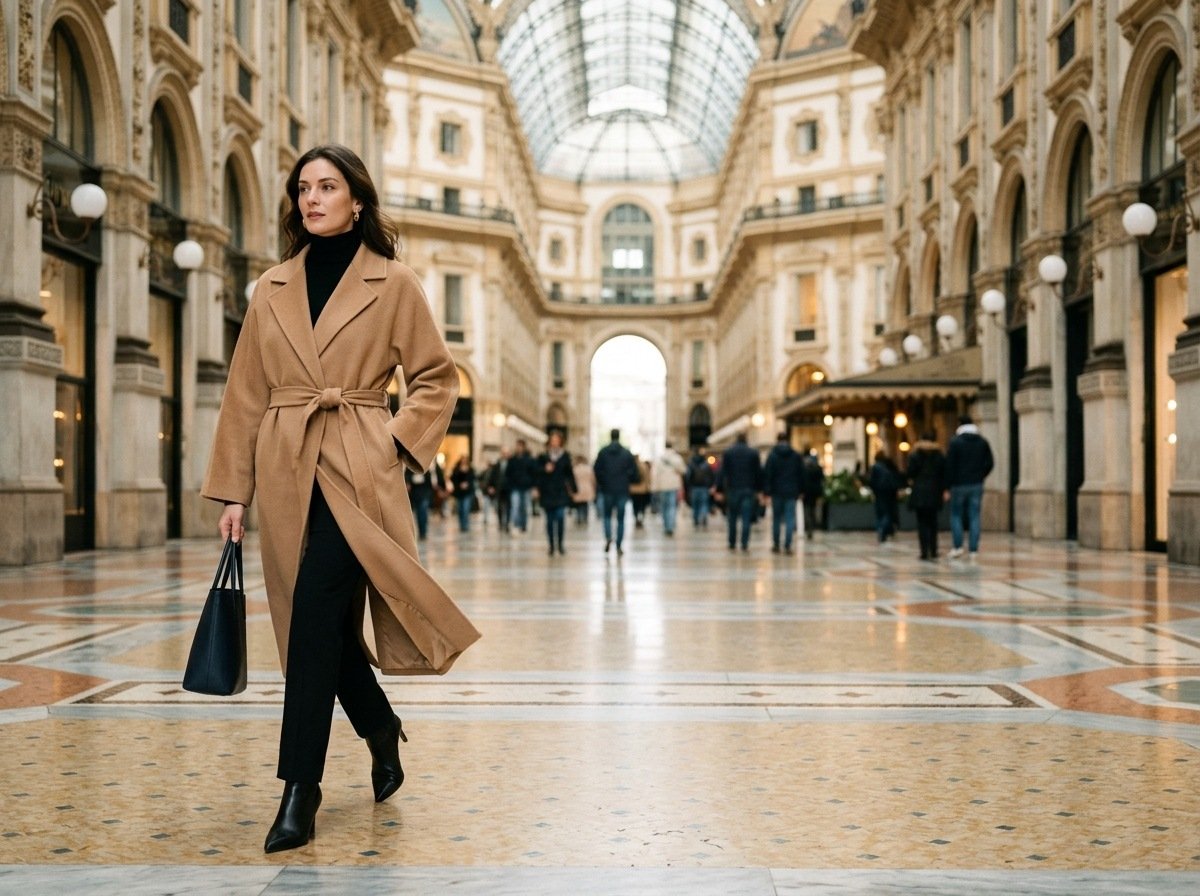
Heritage & Philosophy: Achille Maramotti founded Max Mara in Reggio Emilia in 1951 to bring tailored coats to working women. It is still family-controlled and still runs on outerwear.
Signature Silhouette: The 101801, designed by Anne-Marie Beretta in 1981, is a double-breasted wrap coat with kimono sleeves and a belt, in a wool and cashmere blend. The sleeve construction means no set-in shoulder seam, so it sits over a blazer without pulling.
Quality & Fabric Integrity: Buy the 101801 or the Madame coat in camel. The heavy, double-faced coat cloths hold their shape for years with brushing and occasional pressing. The Teddy Bear coat is lovely but pills at friction points, especially under a crossbody strap.
Price-to-Value: The 101801 sits at roughly $4,000 to $5,000. Worn every winter for fifteen years, that is the best cost-per-wear on this list. Weekend Max Mara gives you the house look for far less.
4. Bottega Veneta
Heritage & Philosophy: Founded in Vicenza in 1966, Bottega made intrecciato, a weave of narrow leather strips, its signature. Its old advertising line, “when your own initials are enough”, still sums up the brand better than any manifesto.
Signature Silhouette: Soft, slouched leather shapes and sculptural knots, recognised by the weave rather than a monogram.
Quality & Fabric Integrity: Buy intrecciato in a dark neutral, such as fondant brown or black, in a structured or classic shape. Skip the seasonal colourways and padded novelty pieces. They are well made but date the moment the season turns.
Price-to-Value: Steep, with large bags well past $4,000. The intrecciato card case is the easiest way to own the craft without the full outlay.
5. Valextra
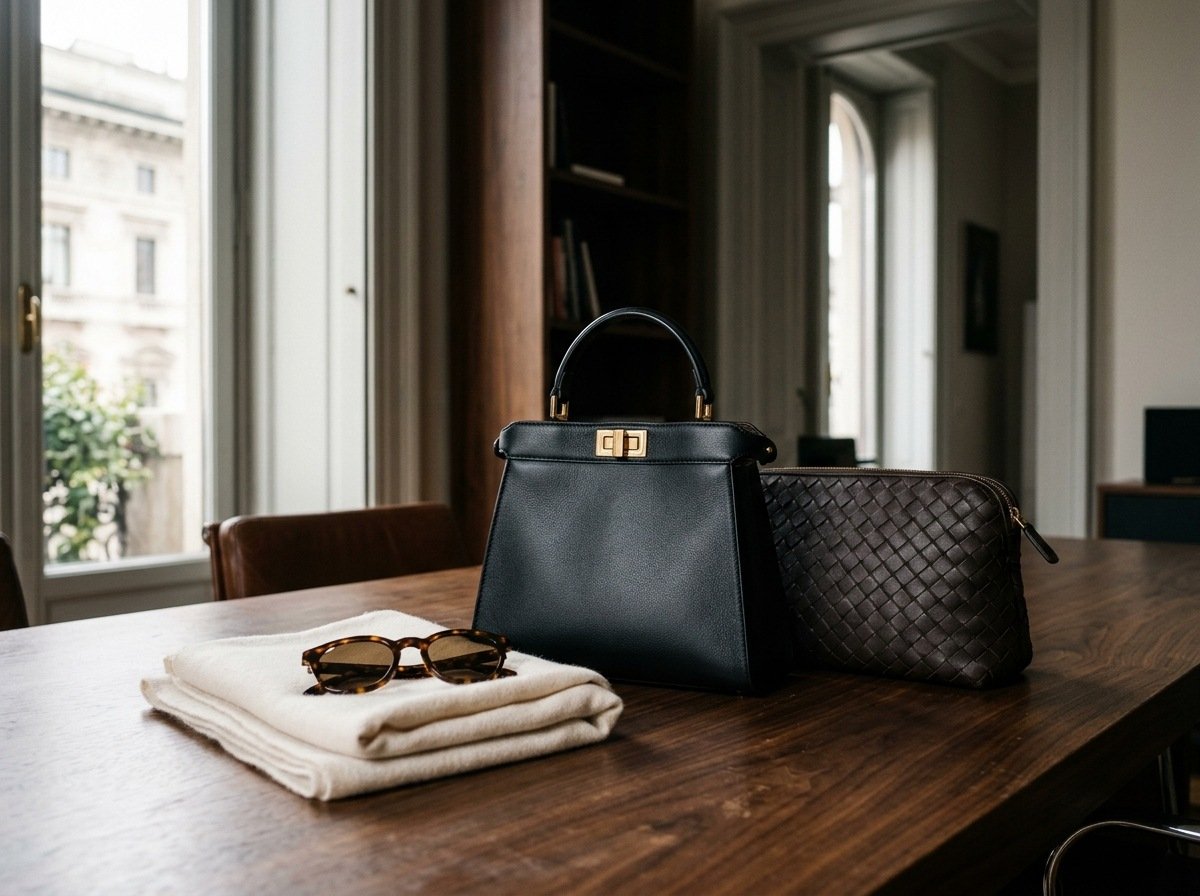
Heritage & Philosophy: Giovanni Fontana opened Valextra in Milan in 1937, and the house has been allergic to logos ever since. Its identity is geometry and the black lacquered edge paint that frames every bag.
Signature Silhouette: The Iside, a compact, upright top-handle bag with clean planes and a short strap, looks as at home in a 1960s Milanese office as at a 2026 board meeting.
Quality & Fabric Integrity: The smooth calfskin and hand-painted edges are excellent. The real-world catch is that pale colourways show marks and transfer from denim. Buy in black, tobacco or deep grey, and have the edges retouched by the boutique when they chip.
Price-to-Value: Below Bottega and Hermès for comparable construction. For a structured work bag, it is the smartest buy in Italian leather.
6. Zegna
Heritage & Philosophy: Ermenegildo Zegna founded his wool mill in Trivero, in the Biella Alps, in 1910. The family planted the mountain behind the factory into what is now the Oasi Zegna reserve. In 2022 the brand dropped the first name and became simply ZEGNA, but the mill is still the heart of it.
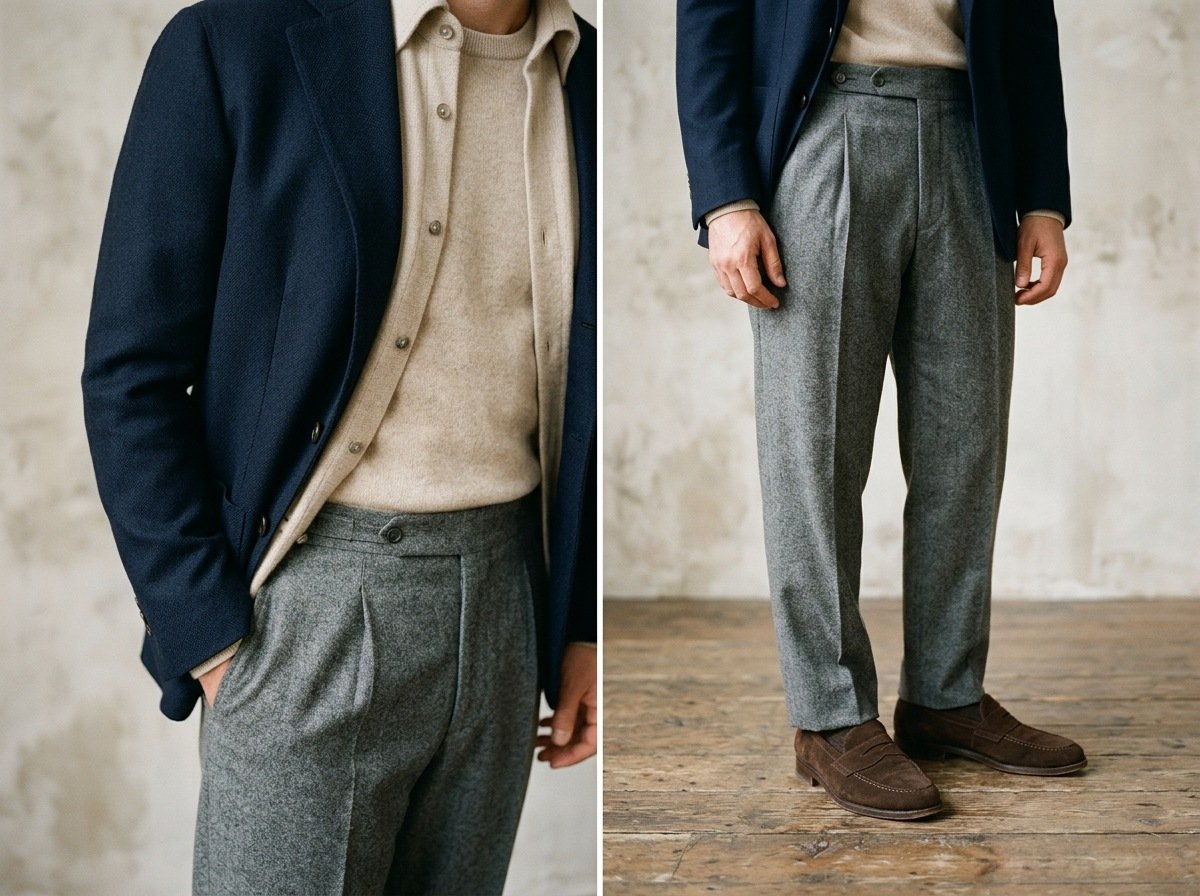
Signature Silhouette: Under Alessandro Sartori, Zegna moved from rigid suiting to soft overshirts, unstructured jackets and pleated trousers, all cut from house cloth.
Quality & Fabric Integrity: Buy from the Oasi Cashmere line and the tailoring in Trofeo wool. Merino at around 17.5 microns, roughly Super 120s, is the sweet spot between hand feel and durability. The Woolmark guide to merino fibre explains why finer is not always better for daily wear. Skip the louder sneakers.
Price-to-Value: Strong for tailoring, because you are buying straight from the weaver.
7. Herno
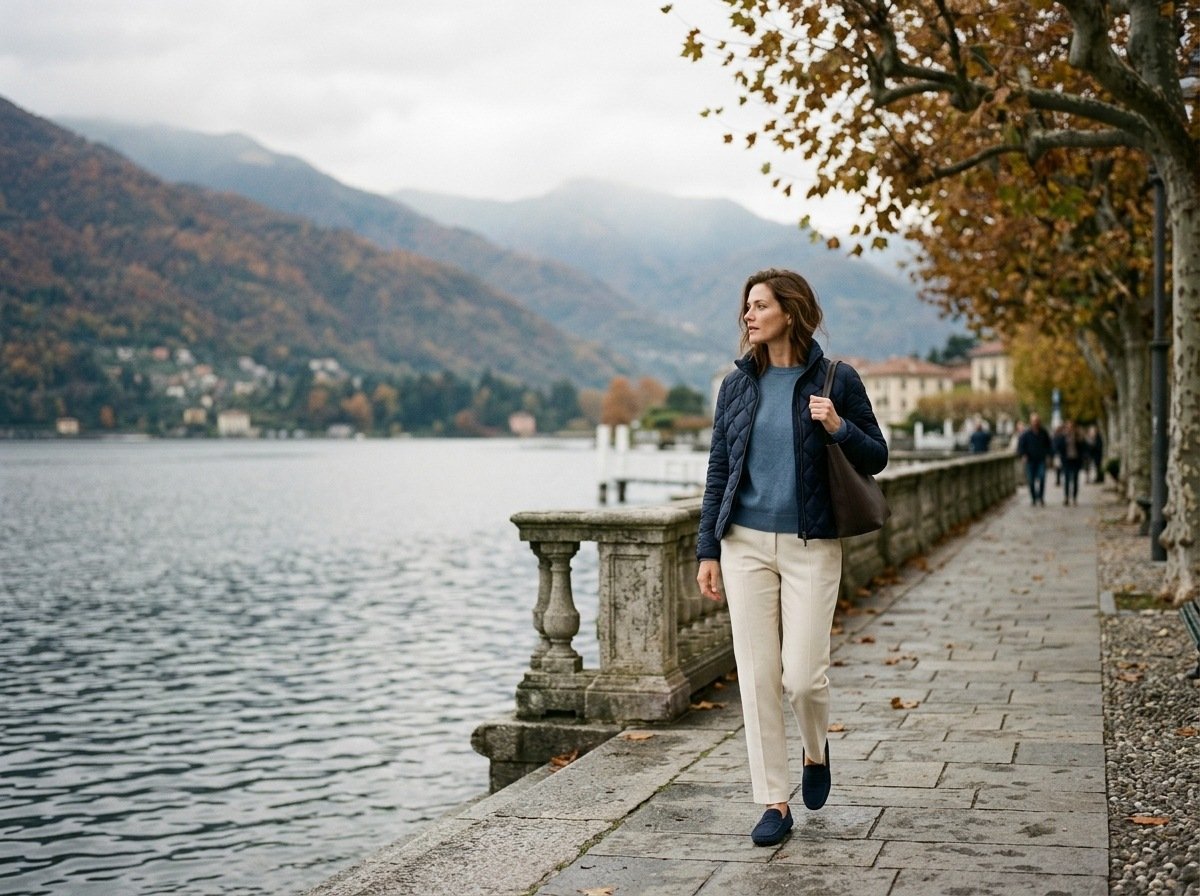
Heritage & Philosophy: Giuseppe Marenzi started Herno in 1948 in Lesa, on Lake Maggiore, making raincoats. The lake’s damp climate shaped the house: outerwear that keeps weather out without adding bulk.
Signature Silhouette: Featherweight quilted down jackets and slim raincoats. They are cut close enough to wear under a wool coat, or alone over a suit.
Quality & Fabric Integrity: Buy the lightweight down in navy or black. Skip the glossy finishes, which crease visibly and look dated within two winters.
Price-to-Value: Mid-luxury pricing with top-tier engineering. A Herno jacket costs roughly what a single Cucinelli knit does, and you will wear it more.
8. Aspesi
Heritage & Philosophy: Alberto Aspesi started in 1969 in Legnano, outside Milan, making shirts. The house has spent five decades refusing logos, runway shows and hype.
Signature Silhouette: Utility shapes such as field jackets, overshirts and chore coats, with a Milanese neatness to the collars and pockets.
Quality & Fabric Integrity: Buy the nylon field jackets and the cotton poplin shirts. Skip the cheaper knit basics, which do not match the outerwear.
Price-to-Value: The best entry ticket on this list. Most pieces sit in the low hundreds, and the people who know will recognise them.
9. Massimo Alba
Heritage & Philosophy: Massimo Alba worked in Italian knitwear and luxury menswear for years before launching his own Milanese label in the mid-2000s. His idea is cashmere that looks lived in from the first day.
Signature Silhouette: Boxy, easy shapes in garment-dyed cashmere and cotton, with faded, watercolour colour.
Quality & Fabric Integrity: Garment dyeing (dyeing after construction) gives uneven, soft colour, and that is the point. Buy the crewnecks and the washed cotton trousers. If your wardrobe is strictly tonal and crisp, it may look too casual beside sharp tailoring.
Price-to-Value: Mid-tier, with a sensibility you cannot find at any other price.
10. Fedeli
Heritage & Philosophy: Family-run in Monza since the 1930s, Fedeli makes knitwear and polo shirts with almost no marketing. It is a knitter’s knitter.
Signature Silhouette: Classic crewnecks, cardigans and knitted polos in a full palette of neutrals.
Quality & Fabric Integrity: Look for long-staple cashmere, which feels slightly firm when new and softens without pilling heavily. Fedeli’s crewnecks pass that test. Skip the blends with silk unless you dry clean.
Price-to-Value: About half the price of the top two names for knitwear that holds its shape just as well.
11. Tod’s
Heritage & Philosophy: The Della Valle family built Tod’s in the Marche shoemaking district. Its driving loafer, the Gommino, put Italian quiet luxury on more feet than any other product.
Signature Silhouette: A soft moccasin with 133 rubber pebbles across the sole and heel. It is unstructured, light and almost silent.
Quality & Fabric Integrity: Buy the Gommino in suede, in tobacco or navy. The pebbles wear down on city pavements, so treat it as a car, travel and summer shoe. Skip the bags with large metal hardware, which is louder than the rest of the house.
Price-to-Value: The most affordable way into this world, usually in the high hundreds.
How to Wear Italian Quiet Luxury Without Looking Costumed
The mistake is wearing all eleven brands at once. Italian quiet luxury reads best when one exceptional piece leads and the rest of the outfit stays plain. My guide to quiet luxury outfits covers the full formulas. These three rules cover most of it.
- The One-Hero Rule: Let one piece, a Max Mara coat or a Valextra bag, carry the outfit. Build everything else from Aspesi, Fedeli and good unbranded basics.
- The Texture Ratio: Pair one soft texture (cashmere, suede) with one firm one (flannel, smooth calfskin). Two soft textures together look sleepy.
- The Colour Harmony: Keep to three neutral values: camel, cream and a dark anchor such as navy or espresso. The monochrome outfit ideas edit shows how far one colour family can go.
For colder months, the same logic drives our quiet luxury autumn capsule wardrobe, where an Italian coat and two knits do most of the work.
Where Your Money Goes Furthest
If you are starting from nothing, spend in this order. First a coat, because Max Mara outerwear has the longest useful life of anything here. Then one excellent knit from Fedeli or Massimo Alba. Then shoes, starting with Tod’s. Leather bags come last, because a good one needs no help from the rest of the wardrobe.
Buy Loro Piana and Cucinelli in the end-of-season sales, where knitwear can drop by a third or more. Check the care label before you pay. Cashmere marked dry clean only will go to a cleaner every season, and that cost adds up over ten years.
Frequently Asked Questions
What are some quiet Italian luxury brands?
The best known are Loro Piana, Brunello Cucinelli, Max Mara, Bottega Veneta, Valextra and Zegna. Less famous but just as quiet are Herno, Aspesi, Massimo Alba, Fedeli and Tod’s. All of them make their core pieces in Italy and keep branding minimal.
What brands do quiet luxury best?
Loro Piana and Brunello Cucinelli set the standard for knitwear and soft tailoring, and Max Mara for coats. Outside Italy, The Row and Khaite are strong, but both rely heavily on Italian mills and factories.
What are the top 10 Italian luxury brands?
Ranked by fame, the usual list includes Gucci, Prada, Armani, Versace, Dolce & Gabbana, Fendi, Bottega Veneta, Loro Piana, Brunello Cucinelli and Zegna. For quiet luxury in particular, the last four matter far more than the first five, whose identities depend on visible logos.
What are some unknown luxury brands?
From Italy, look at Fedeli for knitwear, Aspesi for shirts and outerwear, Massimo Alba for washed cashmere and Herno for lightweight coats. They are well known in Milan and much less so abroad, which is part of their appeal.
The Final Verdict
Italian quiet luxury builds slowly, one well-chosen coat, sweater or loafer at a time, from houses that care more about the fibre than the label. If you want to see how these clothes age, the archives at the Met’s Costume Institute collection hold Italian tailoring that still looks current decades on. Start with one piece, wear it hard, and let the wardrobe grow from there.
Article curated and tailored by Robert Leatherman, Editor & Director of Curation at The Fashion Review. Editorial review and garment integrity verification conducted by Camille Laurent, Style Director.