The cosmetic industry has spent the last decade convincing consumers that radiant skin requires an elaborate ten-step regimen. Between exfoliating acids, vitamin cocktails, balancing essences, and overnight sleeping packs, bathroom cabinets have transformed into chemical testing grounds. The consequence is an unprecedented surge in compromised skin barriers, chronic perioral dermatitis, and reactive sensitivity. True dermatological health does not stem from product saturation. It is achieved through biological restraint, physiological lipid replenishment, and disciplined barrier protection.
A clinical minimalist skincare routine consists of exactly four physiological steps designed to optimize stratum corneum biology without triggering inflammatory cascades. 1. Employs a non-stripping, pH 5.5 cleanser powered by oat amino acids or alkyl glucosides. 2. Provides deep dermal hydration using multi-molecular weight hyaluronic acid and ectoin on damp skin. 3. Replenishes the intercellular lipid matrix using a biomimetic barrier cream formulated in the golden 3:1:1 physiological molar ratio of ceramides, cholesterol, and free fatty acids. 4. Delivers broad-spectrum photoprotection using photostable organic or non-nano mineral UV filters. At night, repeat steps one through three in an alternating cycle of encapsulated retinaldehyde or pure lipid recovery.
Key Dermatological Takeaways
Preserve the Acid Mantle and Natural Microbiome
Squeaky-clean skin is damaged skin. Alkaline foaming surfactants destroy essential stratum corneum enzymes and dissolve natural lipids. Always clean with gentle, non-foaming glucoside formulas buffered to pH 5.0 to 5.5.
Respect the 3:1:1 Physiological Lipid Ratio
Single-ingredient ceramide creams often fail to repair severe barrier damage. Accelerated barrier recovery requires ceramides, cholesterol, and free fatty acids formulated in an equimolar physiological ratio to mimic natural intercellular lamellar sheets.
Practice Skin Streaming and Active Cycling
Applying retinoids, exfoliating acids, and vitamin C simultaneously overwhelms cell signaling pathways. Rotate potent actives on dedicated single nights followed by two nights of dedicated lipid restoration.
The 4-Step Protocol Blueprint
Dermatological research demonstrates that stratum corneum thickness averages only 10 to 20 micrometers. Flooding this delicate brick-and-mortar structure with ten separate vehicles increases penetration of irritating preservatives and emulsifiers. The matrix below outlines our four essential phases designed for maximum efficacy with zero redundant steps.
| Phase | Ritual Stage | Biological Mechanism | Key Actives | Timing |
|---|---|---|---|---|
| Phase 01 | Lipid-Preserving Cleanse | Removes debris without dissolving lamellar bilayers | Coco-glucoside, oat amino acids, colloidal oat | Morning (water rinse) & Night |
| Phase 02 | Dermal Hydration Matrix | Binds water in cellular interstices, prevents TEWL | Multi-weight HA, ectoin 1%, beta-glucan, panthenol | Morning & Night (on damp skin) |
| Phase 03 | Biomimetic Lipid Seal | Reconstructs intercellular cement in 3:1:1 ratio | Ceramide NP/AP/EOP, plant cholesterol, squalane | Morning & Night |
| Phase 04 | Photostable Shield | Prevents UV collagen degradation and DNA mutations | Tinosorb S/M, Uvinul A Plus, or micronized zinc oxide | Morning (daily without exception) |
Phase 01: Non-Stripping Lipid-Preserving Cleansing
The cardinal sin of modern skincare is aggressive cleansing. Traditional sulfate-based foaming washes with high anionic charges dislodge dirt by violently disrupting the stratum corneum lipid matrix. Once intercellular lipids are stripped, water rapidly evaporates in a process known as trans-epidermal water loss (TEWL).
Clinical guidelines established by the American Academy of Dermatology clinical guidelines emphasize that facial cleansers should maintain the skin’s physiological acid mantle at pH 5.0 to 5.5. In our clinical curation, we prioritize non-ionic surfactants such as coco-glucoside and decyl glucoside, alongside oat amino acid cleansers. These molecules bind to sebum and impurities without dissolving the cholesterol and fatty acid bilayers holding your skin cells together.
In the morning, most skin types do not require a surfactant cleanser at all. A rinse with lukewarm thermal spring water or filtered water is sufficient to clear overnight cellular turnover without depleting sebum stores. Reserve your gentle cleanser exclusively for the evening to dissolve daytime airborne pollutants, SPF residue, and light makeup.

Phase 02: Physiological Humectant Hydration
Once skin is cleansed, water must be bound into the upper epidermis before it evaporates. Many standalone hyaluronic acid serums contain exclusively high-molecular-weight polymers that sit on the surface, drawing moisture outward from deeper dermis layers when atmospheric humidity drops below 40%.
The solution is multi-molecular weight hydration paired with osmotic osmoprotectants. Peer-reviewed dermatological studies archived in National Institutes of Health stratum corneum research confirm that ectoin, a naturally occurring extremolyte amino acid, stabilizes protein structures and cell membranes against thermal and chemical stress while increasing cellular water retention.
Formulations combining 1% ectoin with oat beta-glucan and d-panthenol (provitamin B5) soothe cellular inflammation while quenching dehydrated keratinocytes. Always apply your humectant serum directly onto damp skin immediately after rinsing. Never allow bare skin to air dry completely, as evaporation accelerates moisture loss.
Phase 03: Biomimetic Lipid Barrier Replenishment
Applying water-based hydrators without a lipid seal is futile. The stratum corneum is composed of corneocytes surrounded by an intercellular lipid matrix consisting of approximately 50% ceramides, 25% cholesterol, and 15% free fatty acids. When this balance is disturbed, microscopic fissures develop, allowing external pathogens and allergens to enter.
Breakthrough barrier research published in the Journal of the American Academy of Dermatology barrier studies reveals that topical formulations matching the equimolar 3:1:1 physiological ratio of ceramides to cholesterol to free fatty acids accelerate barrier recovery up to three times faster than moisturizers containing ceramides alone.
Seek out creams that combine bio-fermented Ceramide NP, Ceramide AP, and Ceramide EOP with plant-derived phytosterols and cold-pressed squalane. This biomimetic matrix integrates seamlessly into your natural lipid lamellae, restoring suppleness and eliminating tightness without leaving a greasy, suffocating film. Just as a disciplined wardrobe relies on clean tailoring like our tailoring and blazer layering formulas, your skincare foundation requires strict structural integrity.
Phase 04: Photostable Broad-Spectrum Shielding
No anti-aging cream, antioxidant serum, or peptide formula can undo the daily biological damage caused by ultraviolet radiation. Over 80% of visible skin aging, including loss of dermal collagen, elastin fragmentation, and irregular melanin deposition, is directly caused by chronic UVA and UVB exposure.
The modern minimalist routine demands a sunscreen that functions simultaneously as a protective shield and an elegant day cream. Outdated chemical sunscreens relied on unstable filters like oxybenzone and avobenzone that frequently degraded under direct sunlight and triggered ocular stinging. Modern European and Asian formulations utilize next-generation photostable organic filters, including Tinosorb S, Tinosorb M, Uvinul A Plus, and Uvinul T 150.
For individuals with reactive rosacea or post-procedure sensitivity, non-nano micronized zinc oxide (15% to 20%) suspended in squalane provides instantaneous, photostable mineral shielding that calms vascular redness while defending against UVA1 rays. Apply a full quarter-teaspoon for the face and neck every single morning, regardless of weather or cloud cover.
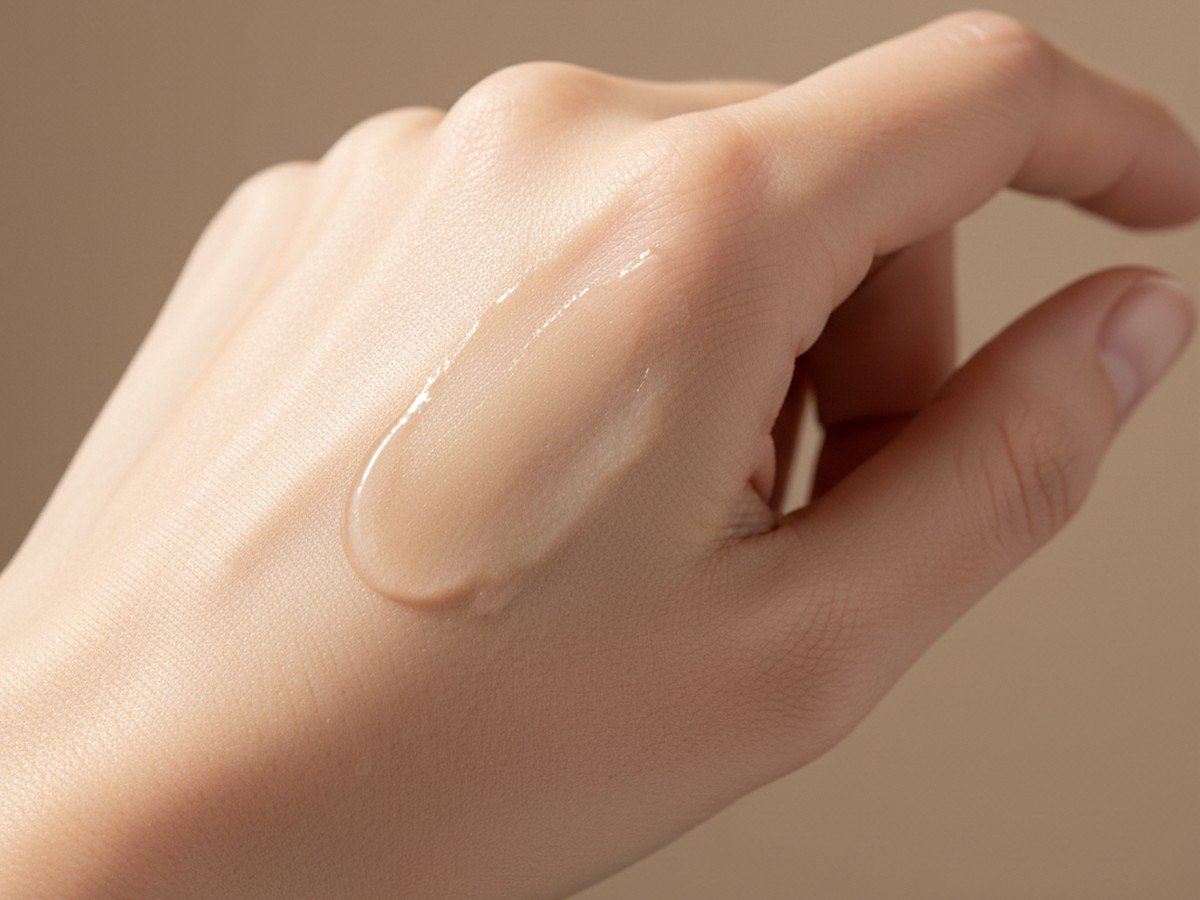
Skin Streaming: The Evening Active Cycling Protocol
A minimalist philosophy does not mean abandoning potent dermatological actives. Instead, it means applying them with calculated precision through a technique known as active cycling or skin streaming. Rather than layering three actives every night, rotate your evening routine on a three-day cycle:
Night 01 (Cellular Renewal): Cleanse with your gentle glucoside wash, allow skin to dry thoroughly for ten minutes, and apply a pea-sized dose of encapsulated retinaldehyde (0.05% to 0.1%). Retinaldehyde requires only one metabolic conversion step to active retinoic acid, providing superior cellular turnover and collagen synthesis with a fraction of the peeling associated with traditional retinol. Follow with your biomimetic barrier cream.
Night 02 (Deep Lipid Recovery): Skip all active ingredients entirely. Cleanse, apply your ectoin-hyaluronic hydrating essence on damp skin, and massage a generous layer of your 3:1:1 ceramide cream into face and neck. Add three drops of pure cold-pressed squalane or rosehip seed oil over dry zones to facilitate overnight barrier repair.
Night 03 (Gentle Chemical Refinement): Apply a mild polyhydroxy acid (PHA) or low-concentration lactic acid (5%) solution. PHAs have larger molecular weights than glycolic acid, meaning they exfoliate surface dead cells gently without penetrating deeply enough to cause stinging or barrier disruption. Follow with your barrier cream.
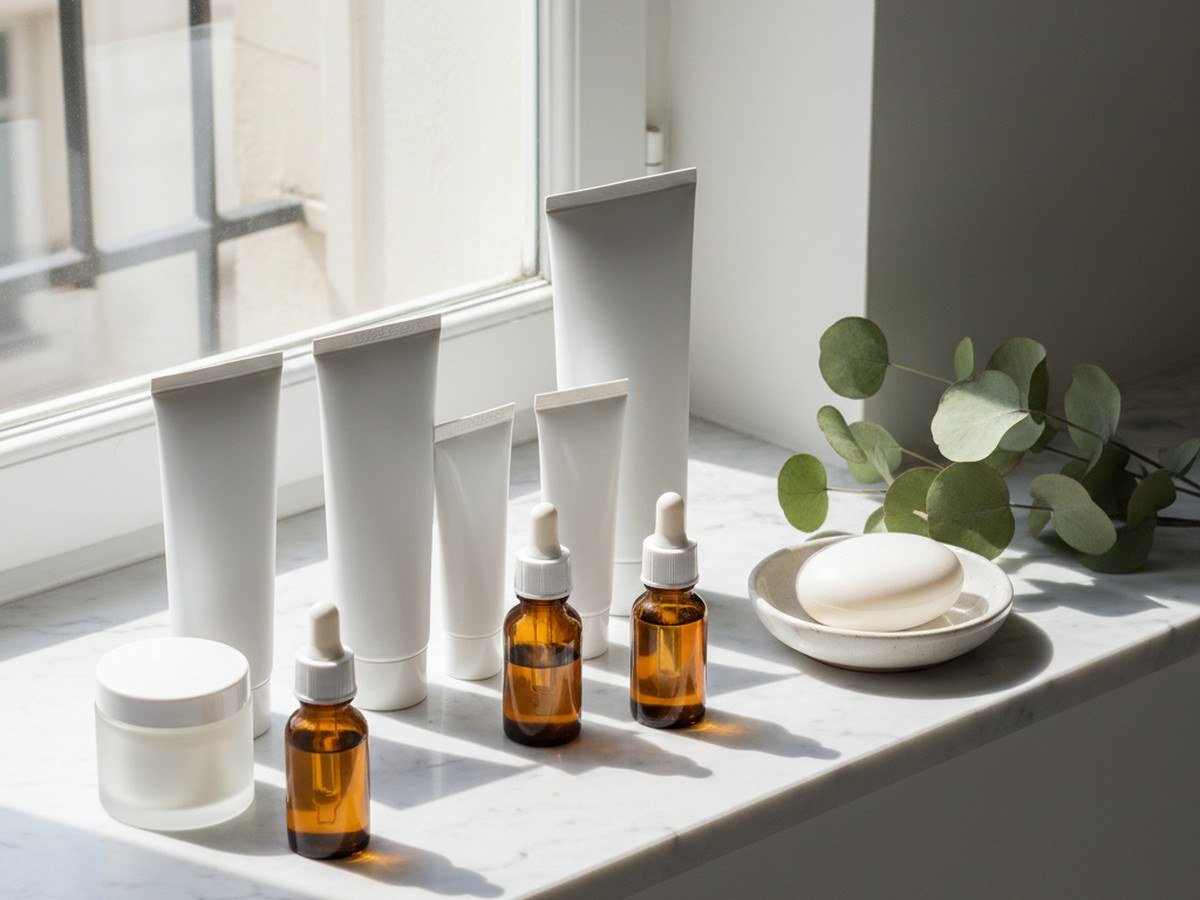
The French Pharmacy Edit: Proven Minimalist Formulations
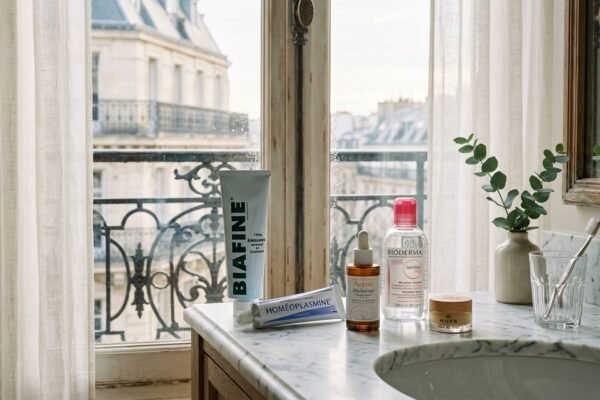
French pharmacy formulations have long epitomized the skinimalist philosophy. Developed in collaboration with dermatologists and tested on compromised, reactive skin, these products eliminate artificial dyes, heavy synthetic perfumes, and unnecessary texturizers in favor of thermal spring waters and pure lipid compounds.
Key staples that consistently perform in clinical trials include La Roche-Posay Toleriane Dermo-Cleanser, Avene Cicalfate+ Restorative Protective Cream featuring copper-zinc sulfate complexes, and Bioderma Sensibio H2O micellar water. These unpretentious preparations deliver reliable efficacy at accessible price tiers, proving that skincare excellence is about ingredient chemistry rather than luxury packaging. This mirrors our ethos across modern lifestyle curation, whether evaluating timeless luxury brands in our guide to 14 minimalist clothing brands or assembling a 24-piece fall capsule wardrobe.
- The Cleanser: pH 5.5 Oat Amino Acid Gel or Thermal Spring Milk.
- The Core Active: Encapsulated Retinaldehyde 0.05% used twice weekly.
- The Barrier Cream: 3:1:1 Ceramide, Cholesterol, and Fatty Acid emulsion.
- The Shield: Broad-Spectrum SPF 50 with photostable Tinosorb filters.
Cleanser Surfactant Chemistry & Skin Compatibility
To assist in auditing your current bathroom cabinet, the table below categorizes major surfactant classes by their chemical behavior and impact on barrier integrity.
| Surfactant Class | Common Examples | pH Profile | Barrier Disruption Risk | Recommendation |
|---|---|---|---|---|
| Alkyl Glucosides (Non-Ionic) | Coco-Glucoside, Decyl Glucoside | 5.0 to 5.5 | Extremely Low (Gentle) | Ideal for daily evening cleansing |
| Amino Acid Surfactants | Sodium Cocoyl Glycinate, Oat Lauroyl | 5.2 to 5.8 | Very Low | Best for reactive or post-procedure skin |
| Betaines (Amphoteric) | Cocamidopropyl Betaine | 5.5 to 6.5 | Low to Moderate | Acceptable as secondary co-surfactant |
| Sulfates (Anionic) | Sodium Lauryl Sulfate (SLS) | 7.0 to 8.5 | High (Stripping) | Avoid completely on facial skin |
Frequently Asked Questions
What are the absolute essential steps in a minimalist skincare routine?
The four non-negotiable steps are gentle cleansing, humectant hydration, barrier lipid replenishment, and broad-spectrum sunscreen. Cleansing removes airborne debris, hydration quenches thirsty cells, barrier creams seal in moisture with ceramides and cholesterol, and SPF prevents ultraviolet photo-aging. All other products are optional enhancements.
Can a minimalist routine effectively treat acne and fine lines?
Yes, and often more effectively than cluttered routines. When the skin barrier is damaged by too many products, inflammation triggers both acne breakouts and premature collagen breakdown. By healing the barrier with a 4-step foundation and introducing one targeted active, such as encapsulated retinaldehyde or azelaic acid, skin clears and firms without reactive irritation.
Should I wash my face with cleanser twice a day?
For the majority of skin types, once a day in the evening is optimal. In the morning, your face has only accumulated sweat and natural sebum produced overnight. A rinse with cool or lukewarm water is sufficient to refresh the skin without stripping the acid mantle. If you have very oily skin, use a gentle non-foaming cleanser in the morning as well.
What is the difference between skinimalism and a damaged barrier routine?
A damaged barrier routine is a temporary crisis protocol where all active ingredients, including retinoids, vitamin C, and acids, are completely suspended for four to six weeks while using only healing balms. Skinimalism is a permanent, sustainable lifestyle framework that retains one or two high-impact actives through scheduled weekly cycling while keeping daily steps minimal.
Article written and formulated by Hassan Nawaz, Beauty Editor at The Fashion Review. Editorial review, fact-checking, and dermatological integrity assessment conducted by Camille Laurent, Style Director.