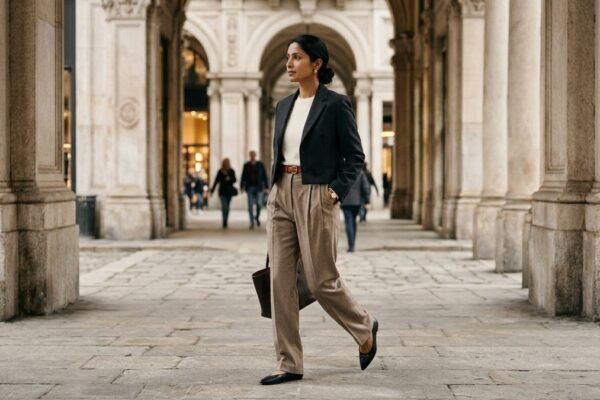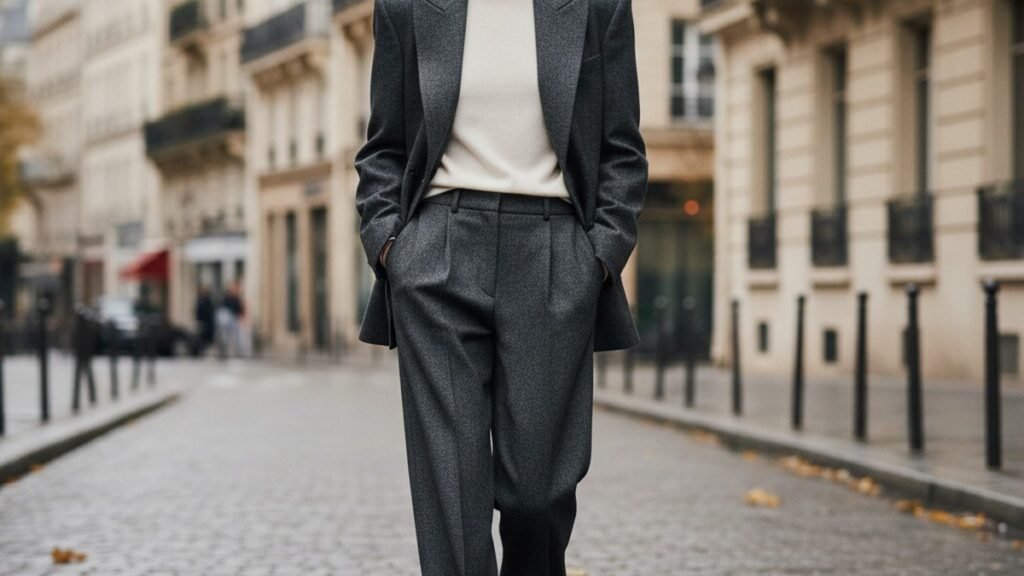
A tailored blazer succeeds or fails on the merit of what sits beneath its lapels. Far too often, an otherwise immaculate jacket constructed from 380 GSM English wool is compromised by the wrong underlayer: a flimsy synthetic tee that clings with static, a rigid button-down collar that fights the notch gorge, or a bulky knit that chokes the underarm scye. Layering under tailoring is not merely a question of color coordination. It is an exercise in textile engineering, proportional balance, and friction control.
The most versatile layers to wear under a blazer fall into three distinct fabrication categories based on silhouette and setting. For sharp business and corporate environments, choose a high-twist 120 GSM Egyptian cotton poplin shirt with a spread collar, or a seamless 16-gauge extra-fine merino wool turtleneck that creates an unbroken tonal column. For elevated smart-casual or creative settings, pair relaxed double-breasted blazers with a dense 220 GSM combed cotton crewneck T-shirt or a band-collar tunic or evening wear; prioritize fluid sandwashed silk Habotai camisoles or tailored cashmere waistcoats. Always ensure the inner sleeve circumference leaves at least 1.5 inches of clearance inside the blazer armhole scye to avoid fabric bunching and seam distortion.
Key Investment Takeaways
Match Fabrication Weight to Jacket Canvassing
Heavy unlined flannel or tweed blazers demand fine-gauge knits (14 to 18 gauge) or crisp poplin. Wearing a chunky sweater beneath a structured horsehair canvas jacket overtaxes the armholes and disrupts the shoulder pad line.
Respect the Neckline and Lapel Gorge Geometry
High-gorge peak lapels call for vertical framing such as high crewnecks, mock necks, or band collars. Low single-button stances pair naturally with scoop necklines, sandwashed silk camisoles, or open collar spreads.
Prioritize Breathable Natural Fibers Over Synthetic Blends
Polyester and cheap nylon trap body heat against cupro or viscose jacket linings, generating static cling and underarm moisture. Invest exclusively in long-staple cotton, mulberry silk, and extra-fine merino wool.
The Proportions Guide: Tailoring Silhouettes and Underlayers
When selecting inner garments, the cut of your blazer determines your structural constraints. An unconstructed Italian blazer made from washed hopsack wool behaves very differently from an architectural, roped-shoulder British jacket. The table below outlines the proven pairings established in our Parisian editorial atelier.
| Blazer Silhouette | Ideal Inner Layer | Neckline Strategy | Recommended Fabric | Styling Mood |
|---|---|---|---|---|
| Oversized Double-Breasted | Heavyweight Crewneck Tee | High 1-inch ribbed collar | 220 GSM combed cotton | Off-duty minimalism |
| Structured Single-Breasted | Fine-Gauge Turtleneck | Folded ribbed roll neck | 16-gauge merino wool | Executive warmth |
| Relaxed Unlined Linen/Wool | Ribbed Silk-Cashmere Tank | Subtle scoop or high tank | 70/30 silk-cashmere blend | Transitional ease |
| Sharp Tuxedo / Dinner Jacket | Bias-Cut Silk Camisole | Soft V-neck with French seam | 19mm sandwashed Habotai silk | Nocturnal elegance |
| Cropped Boxy Jacket | Poplin Shirt or Vest | Pointed collar spread | 120 GSM Egyptian cotton | Architectural poise |
10 Architectural Layering Formulas for Any Setting
Each formula below addresses specific friction points in everyday dressing. Whether you are building an authoritative office capsule or elevating weekend denim, these combinations maintain structural integrity throughout a full day of movement.
1: The High-Twist 120 GSM Cotton Poplin Shirt (Architectural Precision)
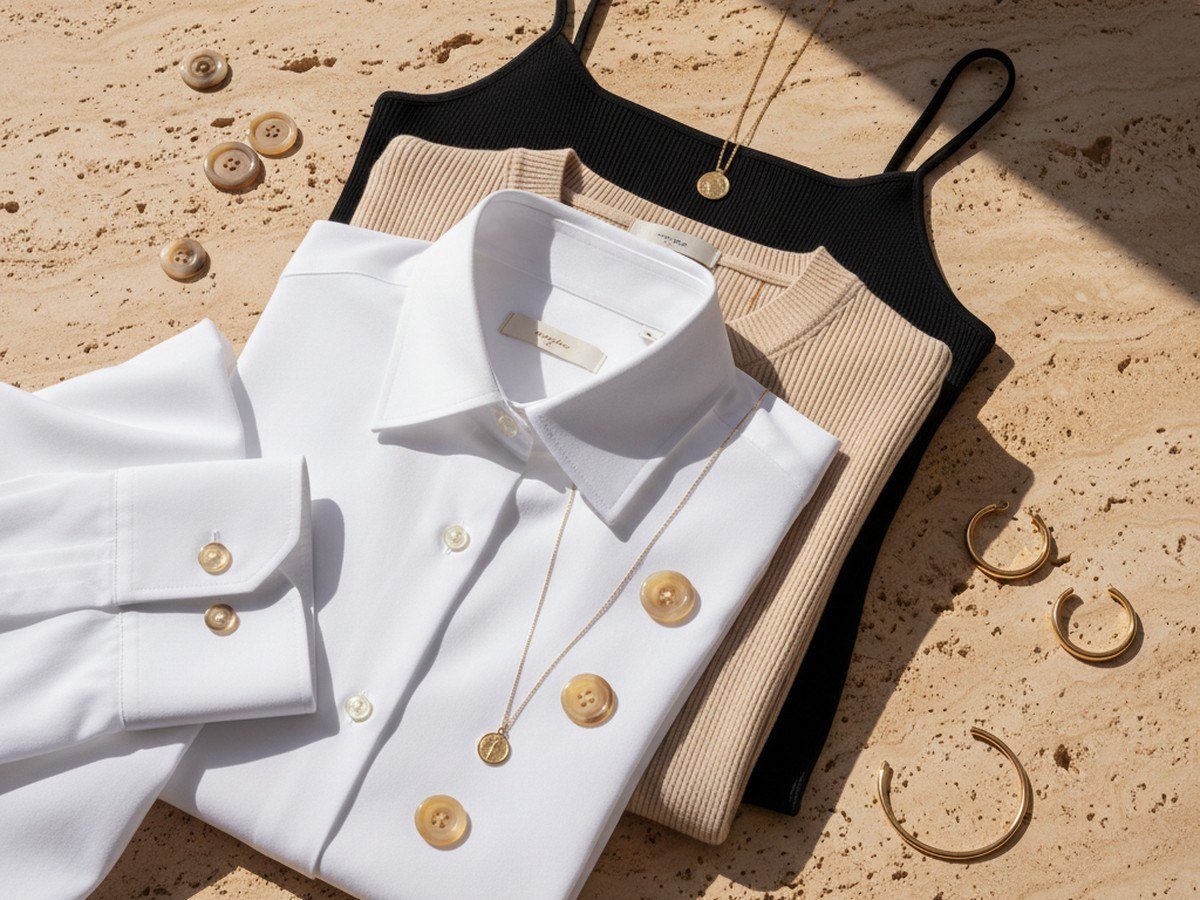
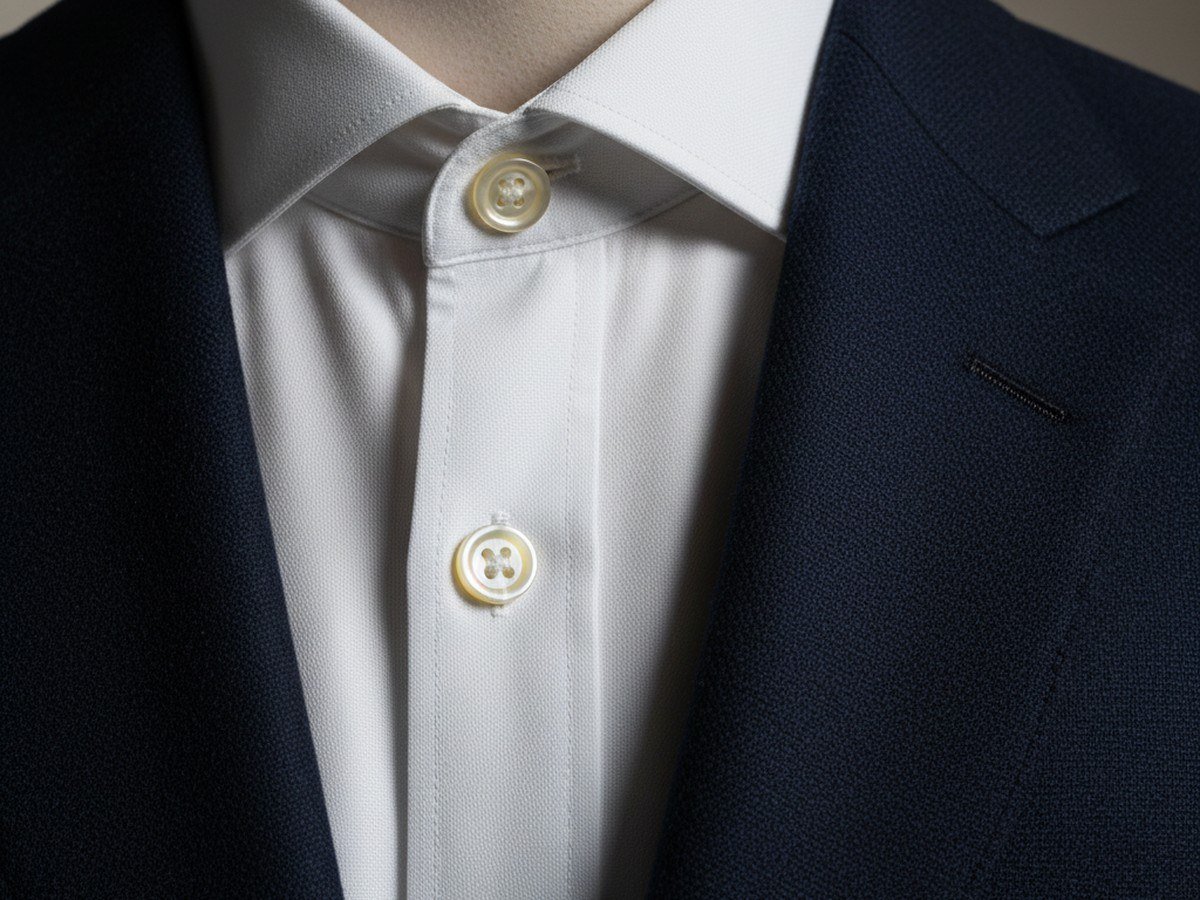
The crisp white cotton button-down remains the cornerstone of tailoring. However, standard commercial dress shirts with stiff fused collars often fight modern soft-shouldered blazers. The solution lies in high-twist 120 GSM Egyptian or Sea Island cotton poplin with a semi-spread collar.
The high-twist yarn provides natural wrinkle recovery and a cool, dry touch against the skin. Leave the top two buttons undone to allow the collar points to tuck neatly beneath the blazer lapels rather than flaring awkwardly over them. Pair this combination with pleated wide-leg wool trousers and Goodyear-welted calfskin loafers for an authoritative, timeless presence that respects Textile Exchange organic fiber standards.
2: The Fine-Gauge 16-Gauge Merino Turtleneck (Autumn Tonal Column)
When temperatures drop, the fine-gauge turtleneck replaces the button-down as the sharpest piece under suiting. The critical specification here is gauge: choose 14 to 18-gauge extra-fine Australian merino wool. Anything thicker than 12-gauge introduces bulk across the chest and restricts arm mobility in the sleeve lining.
A black or charcoal turtleneck worn beneath a dark charcoal or slate wool blazer creates an unbroken vertical column of color. This tonal approach elongates the torso while framing the jawline with quiet authority. For seasonal modularity, reference our blueprint on the fall capsule wardrobe to see how this foundational knit integrates into broader multi-layered outfits.
3: The Heavyweight 220 GSM Combed Cotton Crewneck (Off-Duty Ease)
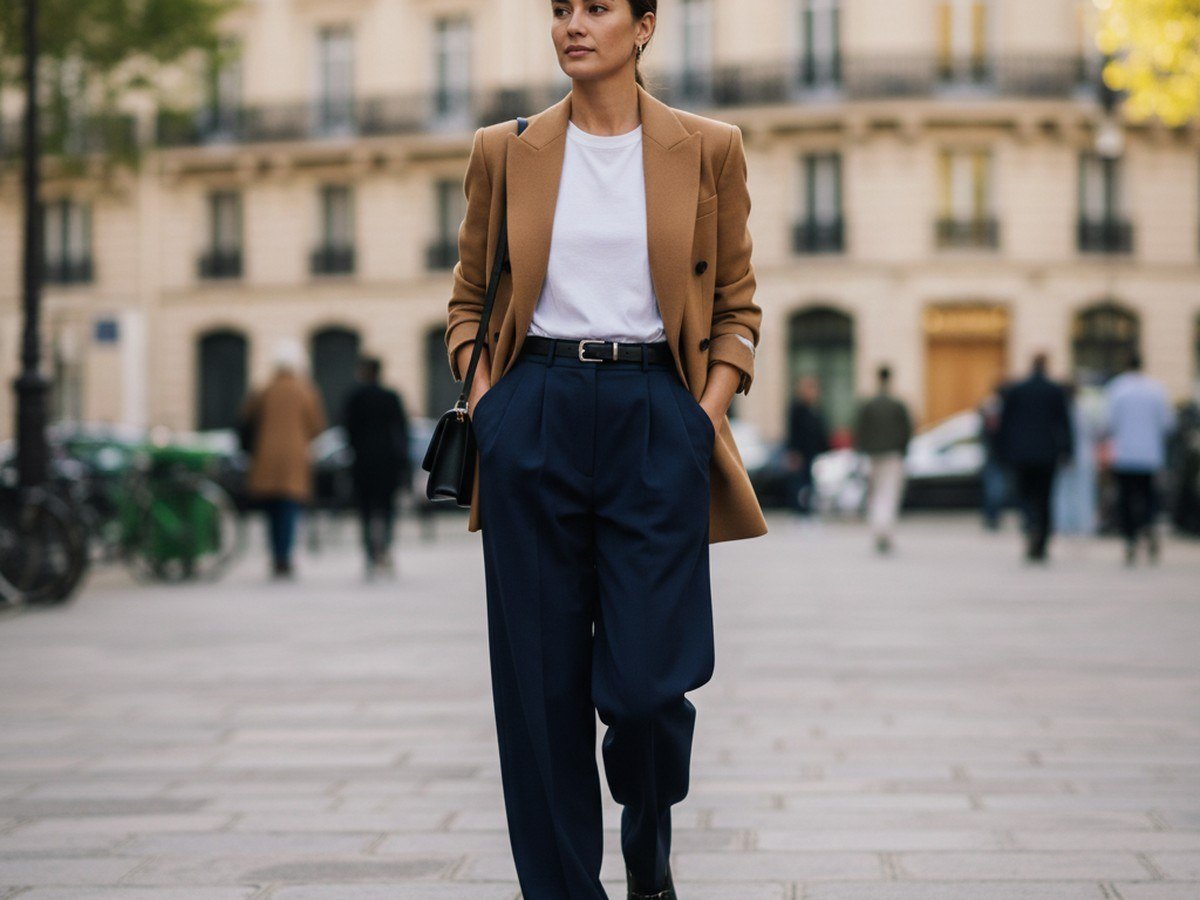
Wearing a t-shirt beneath a blazer is deceptively difficult. Thin undershirts with floppy, wavy necklines look sloppy and ruin the jacket silhouette. To execute this formula successfully, the t-shirt must possess structural heft. Look for 200 to 240 GSM combed ring-spun organic cotton with a tightly knit, 1-inch ribbed collar band.
The high, tight crewneck sits flush against the collarbone, creating a clean geometric horizontal line that balances the diagonal plunge of the blazer lapels. Tuck the t-shirt fully into high-rise denim or relaxed trousers, anchoring the waist with a polished 1.25-inch bridle leather belt. This is the uniform championed by creative directors in Paris and Copenhagen.
4: The Sandwashed Silk Habotai Camisole (Fluid Evening Drape)
For dinner, galas, or evening occasions, replace daytime shirting with the sensual fluid drape of 19mm sandwashed silk Habotai. Unlike shiny polyester satin, sandwashed silk features a soft, peach-skin matte luster that catches low evening light without glare.
Choose a camisole cut on the bias with a gentle scoop or soft V-neckline and clean French-seamed edges. When paired with a sharp black wool barathea tuxedo blazer, the juxtaposition between masculine architectural tailoring and feminine fluid silk is unmatched. The historical dialog between masculine suiting and feminine undergarments is documented in depth by The Costume Institute at The Metropolitan Museum of Art.

5: The Ribbed Silk-Cashmere Sleeveless Shell (Zero-Bulk Underarm Layering)
One of the primary frustrations women report when wearing blazers is sleeve bunching. When a long-sleeve knit twists inside a jacket sleeve lining, it restricts arm articulation and generates uncomfortable heat in heated office environments.
The ribbed sleeveless shell solves this problem entirely. Knitted from a 70% silk and 30% cashmere yarn in a 2×2 rib, this layer hugs the torso cleanly without adding a millimeter of fabric to the blazer sleeves. Your arms slide freely against the cupro lining of your jacket, providing freedom of movement from morning meetings through working dinners.
6: The Structured Breton Stripe Long-Sleeve (Parisian Casual Tailoring)
Originating from naval utility, the classic Breton stripe top introduces visual rhythm and graphic contrast to monochromatic suiting. The key to keeping this pairing elevated rather than costume-like is fabrication weight. Avoid flimsy jersey tees and seek out a dense 250 GSM French heavy cotton sailor shirt.
The boat neckline peeks cleanly above the collar line of the blazer, while the horizontal navy and ecru stripes create graphic interest beneath a solid camel or navy double-breasted jacket. Push the blazer sleeves slightly up the forearm to reveal an inch of striped cotton cuff for effortless Parisian nonchalance.
7: The Tailored Cashmere Waistcoat (Modern Three-Piece Architecture)
The renaissance of the tailored waistcoat has redefined contemporary womenswear. Worn buttoned directly against bare skin with matching wool trousers and an oversized matching blazer, it reimagines the traditional three-piece suit for modern life.
Look for waistcoats crafted from lightweight tropical wool or double-faced cashmere with five horn buttons and an adjustable rear cinch buckle. The V-shaped hem creates an elongated torso line that points directly toward the high waistband of your trousers, accentuating proportions without requiring an external belt. For independent ateliers producing heirloom suiting separates, examine our curated guide to 14 minimalist clothing brands defining modern luxury.
8: The Micro-Modal High-Neck Mock Tank (Minimalist Summer-to-Autumn Transition)
During transitional late-summer and early-autumn days, weather swings make dressing unpredictable. A high-neck mock tank cut from 260 GSM double-layer Austrian micro-modal offers the visual sophistication of a turtleneck with the thermal breathability of a sleeveless shell.
The mock neck extends 1.5 inches up the throat, standing proud above the jacket collar. Because micro-modal features ultra-fine cellulose fibers derived from sustainably harvested beechwood, it provides a second-skin fit that remains completely opaque without sagging or stretching out at the neckline over repeated wears.
9: The Band-Collar Grandad Shirt (Contemporary Lapel Cleanliness)
Traditional pointed shirt collars can sometimes compete visually with aggressive peak lapels, resulting in collar sprawl. The band-collar shirt, also known as the grandad collar, eliminates points altogether, offering a minimalist, monastic aesthetic that lets the blazer lapels command full attention.
Choose an elongated tunic cut with mother-of-pearl buttons and a rounded bib front in crisp white cotton poplin or washed Belgian linen. When buttoned fully to the throat beneath a collarless or notch-lapel blazer, it creates a refined architectural silhouette reminiscent of Japanese and Scandinavian minimalism.
10: The Semi-Sheer Wool Gauze Base Layer (Editorial Translucent Texture)
For an editorial edge that bridges high fashion and daily wear, explore semi-sheer wool gauze. Woven from whisper-light worsted wool yarns into an open plain weave, wool gauze offers subtle translucency while retaining the thermal regulation and drape of natural wool.
Layer a long-sleeve black wool gauze crewneck over a black seamless triangle bra or tonal silk bandeau, then slip into a structured charcoal wool blazer. The play between translucent, delicate mesh-like knit and opaque, masculine wool suiting delivers depth and textural complexity that photographs exceptionally well and commands attention in design-forward spaces.
The 5 Architectural Invariants of Blazer Layering
Before leaving the fitting room, evaluate your outfit against the five technical rules of tailoring fit. Industry analyses published by The Business of Fashion market intelligence consistently reinforce that fit precision is the number one driver of luxury brand perception.
1. Armhole Scye Clearance: The scye is the technical term for the armhole opening in a tailored coat. Your inner garment must never exceed the circumference of the scye. If you feel pinching or pulling across the front deltoids when driving or typing, your inner layer is too bulky for that specific jacket cut.
2. The Lapel Roll Proportions: A blazer lapel should roll gently over the chest, settling flush against the jacket body. If an inner layer pushes the lapels open so that they bow outward like wings, the chest volume is compromised. Downsize the inner knit or switch to a lower-profile fabric.
3. Friction and Static Control: High-end blazers are lined with cupro, Bemberg, or silk. If your inner layer is made from cheap polyester or acrylic, the synthetic fibers will generate electrostatic cling against the jacket lining, causing the underlayer to twist and ride up toward the ribcage throughout the day.
4. The Front Tuck Mechanics: When wearing trousers with a front fly, avoid leaving long shirts hanging untucked beneath a blazer unless the shirt is specifically designed as an architectural tunic with high side slits. A clean French tuck or full waistband tuck elongates the leg line and anchors the tailored proportions.
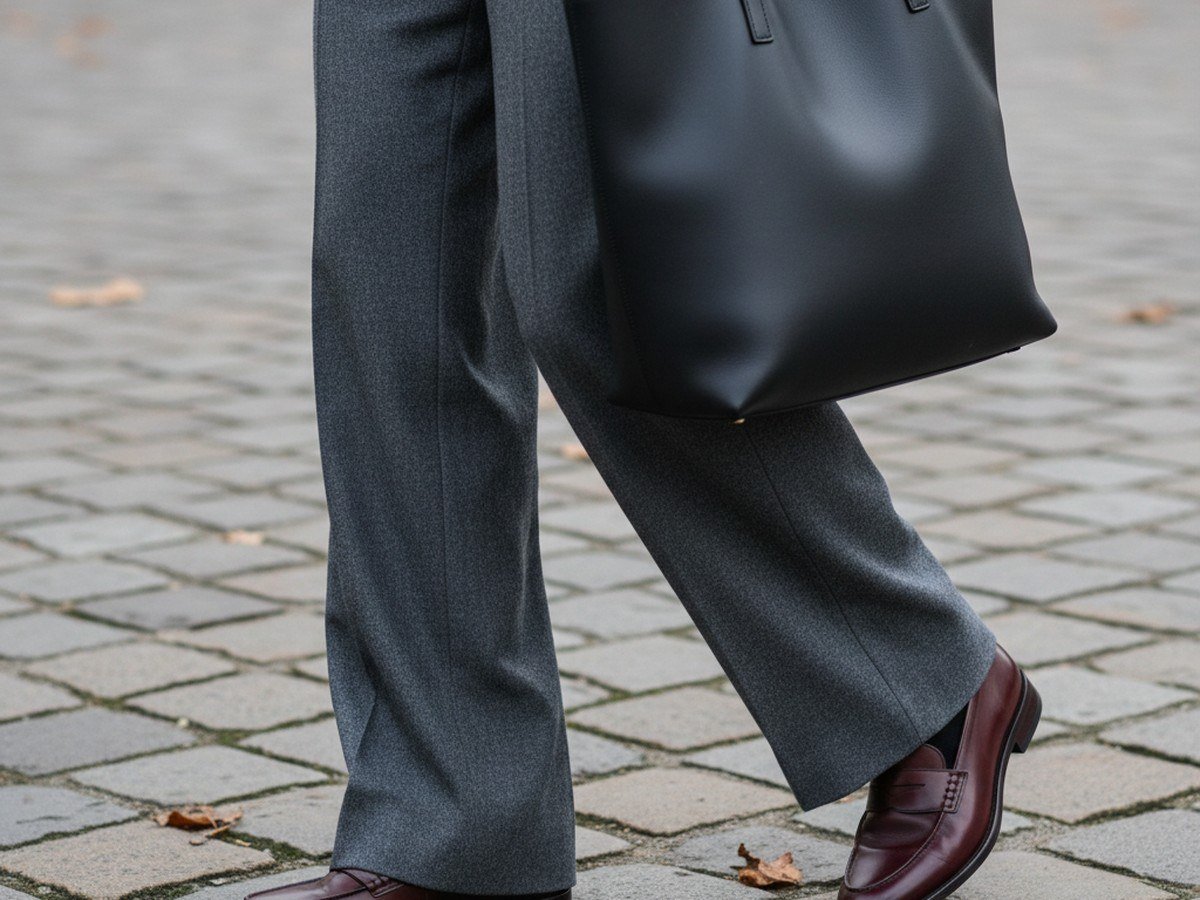
5. Accessory and Leather Anchors: A structured blazer requires equally grounded accessories. Balance the tailoring with a minimalist, unbranded calfskin work tote or shoulder bag. To choose the right heirloom piece, explore our comprehensive minimalist leather bag investment guide.
The Edit • Style Notes & Proportions
- The Silhouette: Architectural boxy tailoring tempered by body-skimming, fine-gauge foundation layers.
- Key Investment: 16-gauge extra-fine merino turtleneck in slate charcoal and a 120 GSM Egyptian cotton poplin shirt.
- Editor’s Tip: Never sacrifice armhole scye clearance. If a jacket sleeve fits slim, opt for sleeveless silk-cashmere knit shells.
Inner Layer Fabric Engineering Comparison Matrix
To help you choose the ideal layer based on weather, jacket lining, and setting, we evaluated each foundational textile on weight, breathability, and bulk factor.
| Fabrication | Fabric Weight | Breathability | Scye Clearance | Best Blazer Pairing |
|---|---|---|---|---|
| Cotton Poplin | 115 to 130 GSM | High (Crisp air circulation) | Excellent (Slim sleeve) | Structured wool single-breasted |
| 16-Gauge Merino Wool | 160 to 180 GSM | Exceptional (Thermal regulating) | Excellent (Flexible knit) | Heavy flannel, tweed, or cashmere |
| Combed Ring-Spun Cotton | 210 to 240 GSM | Moderate to High | Good (Avoid tight biceps) | Oversized double-breasted jackets |
| Sandwashed Silk Habotai | 75 to 90 GSM (19mm) | High (Fluid cool drape) | Maximum (Zero arm drag) | Tuxedo jackets and satin lapels |
| Silk-Cashmere Rib | 180 to 210 GSM | High (Moisture-wicking) | Maximum (Sleeveless design) | Fitted Italian tailored blazers |
Frequently Asked Questions
What is the rule for shirts under a blazer?
The foundational rule is that the inner layer must never fight the structural canvas or armhole scye of the blazer. A dress shirt should leave approximately half an inch of cuff extending past the jacket sleeve, and the collar spread must sit comfortably inside the lapel notch without bowing outward. For casual dressing, a crewneck collar must sit high and tight against the base of the neck.
How do you keep shirts from bunching under a fitted blazer?
To eliminate bunching, select inner garments with high armhole cuts and slim sleeve circumferences. If your jacket sleeves are tailored closely to the arm, replace long-sleeve shirts with sleeveless ribbed knit shells or silk camisoles. Additionally, verify that your trousers feature a high enough rise so tucked shirts remain flat against the stomach rather than billowing over the beltline.
Can you wear a plain t-shirt under a blazer professionally?
Yes, provided the t-shirt meets strict quality standards. Avoid thin undershirts with translucent fabric or wavy neckline stitching. Opt for an opaque 200 to 240 GSM combed cotton t-shirt with a reinforced ribbed collar band. Keep the color palette neutral, such as optic white, heather grey, rich navy, or deep black, and ensure the blazer is relaxed or double-breasted rather than a rigid corporate suit jacket.
What neckline looks best with an oversized blazer?
Oversized blazers feature broad shoulders and deep lapel gorges, making high, clean necklines the most flattering balance. A high crewneck t-shirt, fine-gauge mock neck, or folded turtleneck creates clean geometric contrast against the loose, voluminous drape of the jacket. Alternatively, a delicate scoop-neck silk camisole offers attractive collarbone framing for evening occasions.
Article curated and tailored by Robert Leatherman, Editor & Director of Curation at The Fashion Review. Editorial review and garment integrity verification conducted by Camille Laurent, Style Director.